Why High-Quality Pet Food Saves You Money on Veterinary Bills

Many pet owners experience sticker shock when comparing cheap commercial pet food brands to premium, high-quality nutrition options on the store shelf. It is easy to view food purely as a recurring monthly expense and opt for budget-friendly alternatives to cut corners. However, this mindset often creates a false sense of economy. Feeding your dog or cat low-quality, heavily processed diets filled with cheap fillers, artificial additives, and low-grade animal byproducts can lead to severe nutritional deficiencies and chronic health complications down the road. Investing in superior nutrition is one of the most effective ways to protect your pet long-term health while drastically reducing costly veterinary bills, prescription medications, and emergency room visits.
The Hidden Costs of Cheap Commercial Pet Food
Budget pet foods often rely on inexpensive plant proteins, corn, wheat, and soy fillers to boost volume while cutting manufacturing costs. Because these ingredients lack high biological availability, pets must consume much larger quantities to extract the necessary nutrients required for daily survival.
-
Nutritional Deficiencies: Low-grade ingredients do not provide balanced amino acids, essential fatty acids, and chelated minerals. Over time, these gaps weaken your pet immune system, making them far more susceptible to chronic infections, skin disorders, and lethargy.
-
Higher Feeding Quantities: Because cheap food lacks dense caloric and nutritional value, your pet feels hungry sooner and requires larger portions. This means you go through bags much faster, neutralizing any initial financial savings you thought you were gaining.
-
Digestive Stress: Fillers are difficult for carnivores like cats and dogs to process efficiently. This poor digestion results in large, foul-smelling stools and frequent gastrointestinal upset that requires veterinary intervention, special diets, or medication.
How Superior Nutrition Prevents Common Veterinary Issues
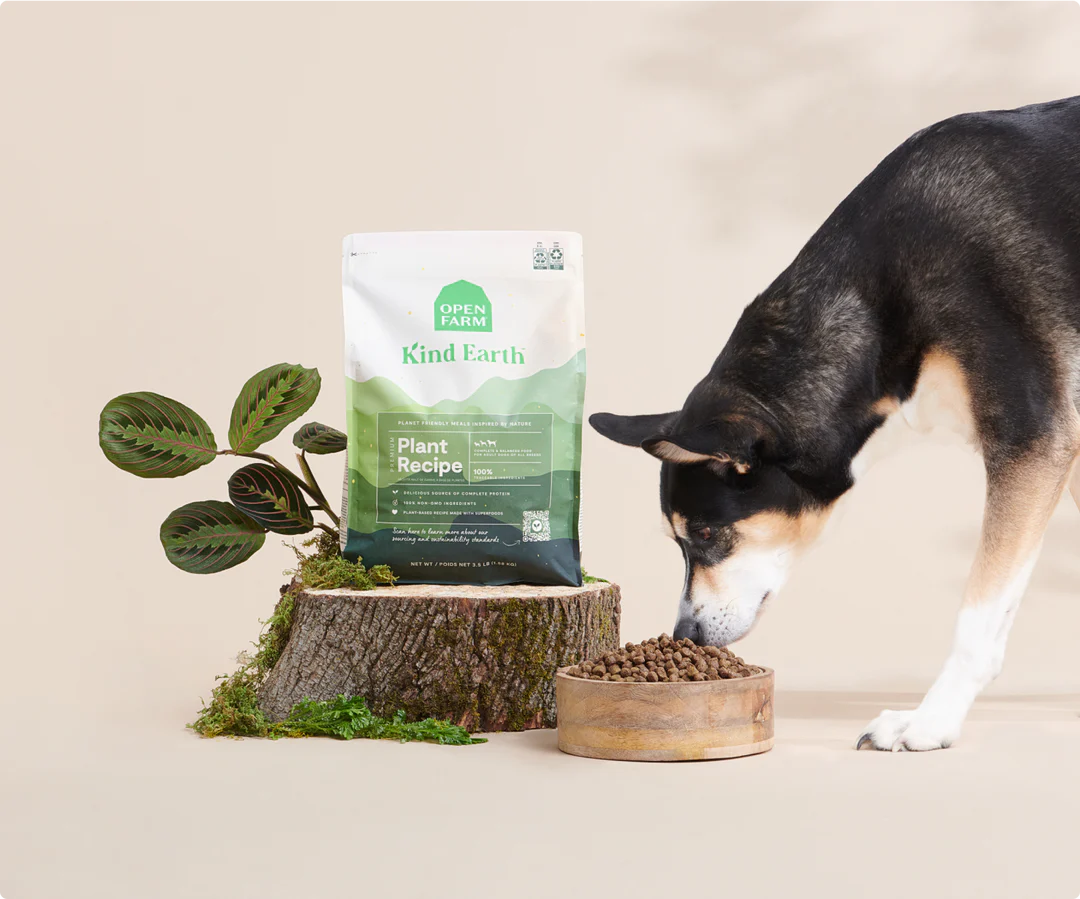
High-quality pet food focuses on real, whole-animal protein sources, healthy fats, and targeted vitamins that support vital organ function and cellular repair. By providing optimal nutrition, you actively prevent several expensive veterinary conditions.
Reducing Skin Allergies and Dermatitis
Many low-quality foods contain artificial preservatives, chemical dyes, and low-grade fillers that frequently trigger chronic allergic reactions in dogs and cats. Chronic skin inflammation leads to constant scratching, secondary bacterial infections, expensive medicated shampoos, allergy testing, and long-term prescription steroid treatments. Premium diets featuring novel proteins and omega fatty acids nourish the skin barrier naturally, keeping dermatology bills to a minimum.
Protecting Joint Health and Mobility
Joint deterioration, arthritis, and hip dysplasia cause immense pain and require expensive long-term pain management medications, joint supplements, and physical therapy. High-end pet foods frequently incorporate natural glucosamine, chondroitin, and high levels of eicosapentaenoic acid and docosahexaenoic acid. These ingredients reduce joint inflammation and support cartilage health, helping your pet stay active and mobile well into their senior years.
Combating Obesity and Related Diseases
Cheap pet foods are often laden with empty carbohydrates and sugars that cause rapid weight gain and insulin resistance. Canine and feline obesity is a massive epidemic that paves the way for diabetes, pancreatitis, heart disease, and high blood pressure. Managing diabetes requires expensive daily insulin injections, constant blood glucose monitoring, and frequent veterinary checkups. Premium foods with controlled carbohydrate levels and high protein content promote lean muscle mass and healthy weight regulation effortlessly.
The Direct Financial Correlation: Food Cost Versus Vet Bills
When you calculate the total cost of pet ownership over a span of ten to fifteen years, the financial equation shifts dramatically in favor of high-quality nutrition. Spending an extra twenty to thirty dollars a month on premium food seems significant in the short term, but it pales in comparison to a single veterinary emergency bill. A single overnight stay in an animal hospital for acute pancreatitis, severe allergic dermatitis flare-ups, or metabolic crises can easily cost thousands of dollars. By upgrading your pet daily fuel, you build a robust biological defense system that minimizes the frequency and severity of medical interventions.
Understanding Ingredient Labels to Make Smart Choices
To ensure you are truly investing in a high-quality product that protects your wallet and your pet health, you must learn to decipher pet food ingredient labels effectively.
-
Named Meat Proteins First: The first ingredient listed should always be a specific named animal protein, such as deboned chicken, lamb, salmon, or beef meal, rather than vague terms like meat meal or animal byproducts.
-
Absence of Artificial Additives: Avoid foods that utilize chemical preservatives like BHA, BHT, or propyl gallate, as well as artificial colorings designed solely to appeal to human buyers rather than animal health.
-
AAFCO Compliance: Look for a statement indicating that the food meets the nutritional adequacy standards established by the Association of American Feed Control Officials for your specific pet life stage.
Frequently Asked Questions
Does expensive pet food mean it is automatically high quality?
Price alone is not always a definitive indicator of quality, as some brands inflate prices based on heavy marketing budgets rather than superior ingredients. Always review the ingredient panel and guaranteed analysis to ensure you are paying for high-grade animal proteins and essential nutrients rather than fancy packaging.
Can changing my pet food suddenly cause stomach upset?
Switching your pet food abruptly can trigger severe vomiting, diarrhea, and loss of appetite. To prevent digestive distress, transition your pet gradually over a period of seven to ten days by mixing increasing amounts of the new high-quality food with decreasing amounts of their old diet.
Are grain-free diets automatically healthier than grain-inclusive diets?
Grain-free diets are not inherently superior unless your specific pet has been diagnosed with a verified grain allergy or food sensitivity. High-quality grains like brown rice, oats, and barley provide excellent fiber and complex carbohydrates that support optimal digestion and heart health.
How do I know if my current pet food is meeting nutritional needs?
Signs that your pet is thriving on their current diet include a shiny, soft coat, bright eyes, steady ideal body weight, high energy levels, and firm, well-formed stools passed in consistent, manageable amounts.
Do older pets require a specialized high-quality food formulation?
Senior pets experience slower metabolisms, reduced kidney function, and joint stiffness, meaning they benefit greatly from senior-specific high-quality formulations that offer controlled phosphorus levels, higher joint supplement concentrations, and easily digestible proteins.
Is homemade pet food cheaper and healthier than commercial premium food?
Formulating a balanced homemade diet without professional veterinary nutritionist guidance often leads to severe, life-threatening nutritional deficiencies. While it can be customized, ensuring it matches the exact vitamin and mineral profile of premium commercial food requires considerable expense and expert formulation.
How long does it take to see health improvements after upgrading pet food?
Most pet parents notice visible improvements in their animal coat shine, skin health, and stool quality within three to four weeks of switching to a premium high-quality diet, while internal metabolic benefits compound steadily over months and years.