Why Dogs Develop Certain Eating Behaviours Over Time
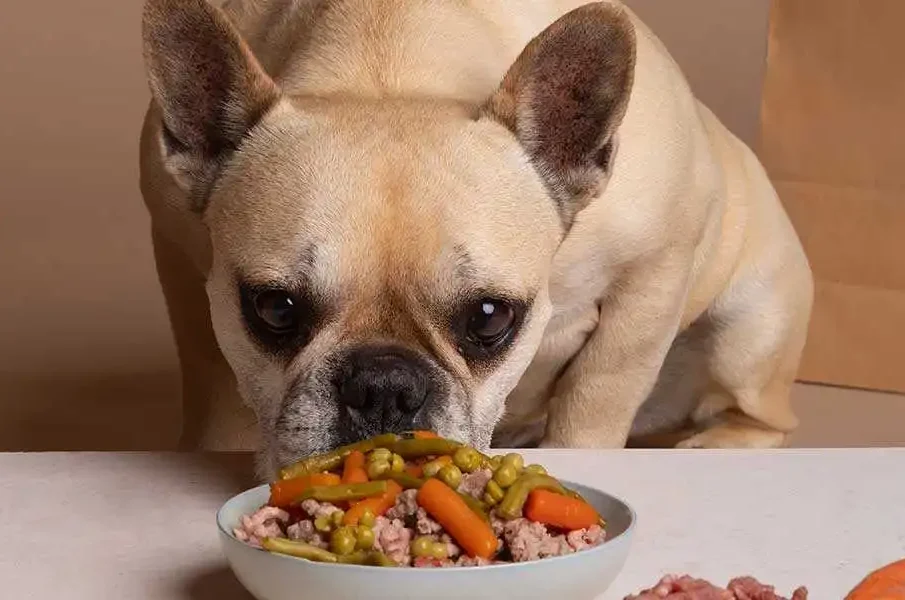
Dogs change the way they eat as they grow, mature, and adapt to their environment. Some of these behaviours seem amusing, others confusing, and a few can even become long term habits without owners realising how they started. Understanding why these behaviours develop helps you support healthier routines and recognise when certain patterns may need attention.
Eating is more than a simple routine for dogs. It is connected to comfort, instinct, past experience, and the structure of the home. Over time, even small daily habits can shape the way a dog approaches food.
Early Experiences Shape Long Term Behaviour
Puppies learn quickly from their surroundings. If they grew up in a setting where food was limited or shared with other littermates, they might learn to eat quickly. Dogs raised in quiet, calm homes often learn to eat more slowly and confidently.
These early lessons stay with them into adulthood. A dog that once had to compete for food may still feel urgency when eating, even if they now live in a stable environment.
Small details like the type of bowls used or the feeding area also influence behaviour. Some dogs prefer eating in calm corners, while others feel safer eating where they can see the rest of the household.
Physical Comfort and Eating Positions
Dogs change their eating behaviour based on physical comfort as they age. Senior dogs may avoid bending too low if their joints feel stiff. Some dogs prefer elevated bowls, while others choose to lie down while eating.
When dogs adjust their posture, it is often their quiet way of telling you what feels more comfortable. Observing these small changes helps you understand what your dog needs physically, especially as they grow older.
Emotional Triggers Behind Eating Habits
Emotions influence how dogs eat. Stress, excitement, boredom, and uncertainty all show up in their feeding routines. A dog that paces before meals may be anxious. A dog that finishes food quickly may be overly excited. A dog that leaves the bowl half full may be feeling overwhelmed or distracted.
Sometimes these behaviours come from changes in the household. New visitors, different feeding times, or even rearranged furniture can subtly influence how a dog approaches meals.
Reinforcement From Daily Routines
Dogs repeat behaviours that bring predictable outcomes. If they beg during meal prep and receive even a small reward once, the behaviour becomes reinforced. If they stand near a particular corner before dinner and are fed soon after, that corner becomes part of their routine.
Dogs learn patterns quickly. They build associations between their own actions and the responses they receive from the household. Even feeding a scrap once can create a long lasting expectation.
Treats play a role in this too. Some owners keep them in a specific drawer, and dogs often associate that sound or movement with reward. This is why habits like choosing simple options such as Dog treats fit naturally into routines. Dogs recognise the sound, scent, or even the location where treats are kept, and these small signals shape their behaviour over time.
Sensory Preferences Develop With Age
Dogs use smell far more than taste when deciding what they prefer. Over time, they develop preferences based on scent, texture, temperature, and even sound. Crunchy food, soft food, warm meals, or cold snacks can all affect their interest.
A dog that once preferred crunchy kibble may later enjoy softer meals. These shifts are normal and often reflect natural changes in their teeth, gums, or digestive comfort.
Household Dynamics Influence Eating
If there are multiple pets at home, dogs may change their behaviour depending on the presence of others. A dog might hover near another pet’s bowl, wait until everyone else eats, or rush through meals to avoid confrontation.
Even without other pets, household rhythms influence behaviour. Feeding times that move around frequently can create inconsistency. Dogs often respond by watching closely for cues, pacing, or acting alert around the kitchen.
Health Changes Can Be Reflected in Eating Habits
Sometimes new feeding behaviours reflect underlying health issues. A dog that suddenly becomes picky might have dental discomfort. A dog that starts eating slowly may be experiencing digestive sensitivity. Observing changes early can help identify when something needs attention.
Small shifts in behaviour are often the first sign of discomfort, which is why paying attention to mealtime routines becomes important.
How Environment Shapes Long Term Habits
Everything in a dog’s environment plays a role in shaping their eating behaviour. The layout of the feeding area, noise levels during mealtime, bowl height, food type, and even lighting can make subtle differences.
Dogs crave stability. They feel more at ease when the environment is predictable, calm, and free of disruptions. When these conditions change slightly, their behaviour often shifts quietly in response.
Helping Your Dog Build Better Eating Habits
Supporting healthier eating routines does not require dramatic changes. It starts with observing your dog more closely. Notice their body language, posture, interest level, and timing. Offer meals in calm moments. Keep feeding areas clean and comfortable. Maintain steady feeding times. And pay attention to how your dog responds to small adjustments.
Dogs communicate through their eating patterns. When you understand these signals, you can make gentle improvements that support better digestion, comfort, and emotional balance.
Over time, these small choices create long term habits that help your dog feel safe, understood, and well cared for.