
How Holistic Pet Care and Veterinary Medicine Work Hand-in-Hand
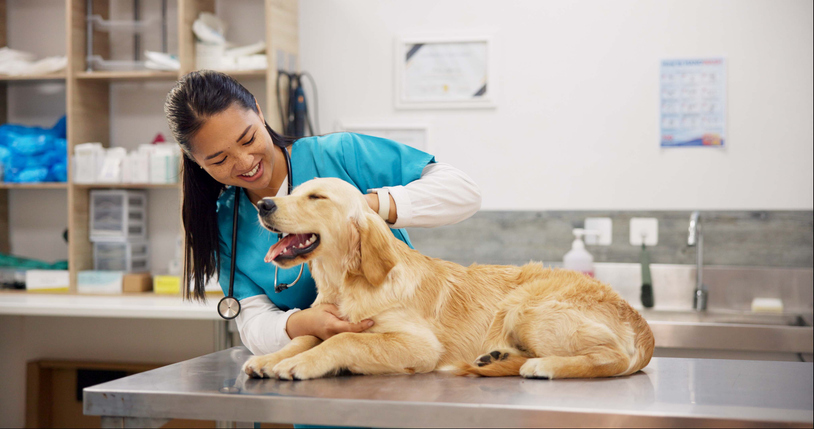
For many years, pet parents felt forced to choose between conventional veterinary medicine and holistic animal care, as if the two philosophies stood in direct opposition. Conventional medicine relied heavily on pharmaceuticals, surgeries, and diagnostic laboratory testing, while holistic care focused on nutrition, acupuncture, herbal remedies, and chiropractic adjustments. Today, forward-thinking veterinarians recognize that these two approaches are not mutually exclusive. Instead, modern pet wellness thrives when conventional science and holistic therapies join forces. Integrative veterinary medicine combines the diagnostic precision of Western science with the preventative, whole-body focus of holistic healing, offering animals a comprehensive safety net that addresses both the root causes of disease and acute medical emergencies.
The Core Philosophy of Integrative Veterinary Care
Integrative veterinary medicine bridges the gap between traditional and alternative therapies by evaluating the entire animal rather than just focusing on isolated symptoms. When a dog or cat falls ill, conventional medicine excels at stabilizing the patient, running blood panels, taking radiographs, and prescribing life-saving medications or performing necessary surgeries. Holistic care steps in to support the body natural healing mechanisms, optimize nutrition, reduce systemic inflammation, and minimize side effects from heavy pharmaceutical drugs. This cooperative framework ensures that pets receive the most appropriate, least invasive, and most effective treatment available for their specific condition.
-
Targeting Root Causes: While conventional treatments often manage symptoms effectively, holistic practices dig deeper to uncover why the imbalance occurred in the first place, examining environmental stressors, dietary flaws, and lifestyle habits.
-
Minimizing Side Effects: Integrating herbal supplements or acupuncture alongside conventional treatments can help manage chronic pain or organ stress, allowing veterinarians to lower pharmaceutical dosages and reduce adverse drug reactions.
-
Enhancing Quality of Life: The ultimate goal of this combined approach is not merely extending lifespan, but ensuring that every extra year your pet enjoys is filled with vitality, comfort, and mobility.
Diagnostic Precision Meets Preventative Wellness
One of the greatest strengths of modern integrative veterinary practices is how seamlessly diagnostic tools work alongside natural healing modalities. A holistic practitioner who relies solely on intuition can miss internal pathologies, just as a conventional vet who ignores lifestyle factors can leave a pet vulnerable to chronic recurrence.
Advanced Diagnostics as a Baseline
When a pet presents with chronic lethargy or digestive distress, conventional diagnostics like ultrasound, blood chemistry panels, and fecal analysis provide concrete data. Once the veterinarian identifies the exact physiological issue, an integrative treatment plan can be crafted. For instance, if blood work reveals early-stage kidney disease, the vet can prescribe necessary medical support while simultaneously designing a specialized raw or gently cooked fresh food diet supplemented with targeted kidney-supportive herbs.
Preventative Lifestyle Interventions
Holistic care shines brightest in disease prevention. By evaluating daily nutrition, minimizing exposure to household toxins, and incorporating natural immune boosters, integrative veterinarians help keep pets robust and resilient. Routine wellness visits combine traditional vaccinations and parasite prevention with tailored supplement recommendations and chiropractic assessments to keep joints aligned before arthritis sets in.
Managing Chronic Pain and Degenerative Conditions
Chronic conditions like osteoarthritis, hip dysplasia, and intervertebral disc disease present some of the most difficult challenges in veterinary medicine. Traditional pharmaceutical management often relies heavily on non-steroidal anti-inflammatory drugs, which can take a heavy toll on the liver and kidneys over prolonged periods.
-
Multimodal Pain Relief: Integrative veterinarians combine low-dose conventional pain medications with acupuncture, laser therapy, and herbal supplements to manage pain effectively. This multimodal approach reduces the reliance on heavy drugs while providing superior pain relief.
-
Physical Rehabilitation: Canine rehabilitation incorporates hydrotherapy, underwater treadmills, therapeutic massage, and targeted exercises. These techniques strengthen supporting muscles, improve joint mobility, and accelerate post-operative recovery far better than rest and medication alone.
Nutrition as the Foundation of Healing
Both conventional and holistic veterinary medicine agree that nutrition is the cornerstone of health, yet their applications often differ. While conventional veterinary schools historically offered limited nutritional training, holistic practitioners emphasize species-appropriate diets, whole foods, and customized nutritional therapy to treat specific disease states.
Tailored Dietary Therapy
Integrative vets utilize food as medicine, prescribing specific protein rotations, antioxidant-rich vegetables, and functional mushrooms to support animals battling cancer, autoimmune diseases, or severe allergies. By upgrading a pet diet, inflammation decreases across the entire body, enhancing the efficacy of any concurrent medical treatments.
Frequently Asked Questions
Can holistic treatments completely replace conventional vaccines and parasite preventatives?
Holistic care focuses on strengthening the immune system, but it does not replace essential conventional protocols like rabies vaccinations or heartworm preventatives where local disease risks are high. Integrative veterinarians often use titer testing to measure actual antibody levels before administering booster shots, avoiding unnecessary over-vaccination while maintaining legal and medical safety.
How do I find a truly qualified integrative veterinarian?
Look for practitioners who hold a degree in veterinary medicine from an accredited university and have pursued additional, certified training in holistic modalities such as veterinary acupuncture, chiropractic care, herbalism, or rehabilitation through recognized organizations like the American Holistic Veterinary Medical Association.
Are herbal supplements safe to give alongside prescription drugs?
Certain herbs can interact negatively with prescription medications or overwhelm liver and kidney clearance pathways. Always consult an integrative veterinarian before introducing any herbal remedies or supplements to ensure there are no dangerous pharmacological contraindications.
Is acupuncture painful for dogs and cats?
Veterinary acupuncture is virtually painless. The needles used are extremely fine and flexible, much thinner than standard hypodermic needles. Most pets quickly relax, stretch out, and often fall asleep during the treatment session due to the release of endorphins.
How long does it take to see results from holistic treatments?
Unlike fast-acting conventional drugs designed for rapid symptom suppression, holistic therapies and dietary modifications often work more gradually by restoring deep cellular balance. Visible improvements in chronic conditions typically manifest within two to six weeks of consistent therapy.
Can cats benefit from holistic veterinary care just as much as dogs?
Cats respond remarkably well to integrative therapies, particularly acupuncture, laser therapy, and tailored nutritional adjustments. Because cats are masters at masking pain, holistic modalities often uncover and alleviate chronic discomfort that owners previously attributed to normal aging.
Will pet insurance cover integrative veterinary treatments?
Coverage varies significantly depending on your specific insurance provider and policy tier. Many modern pet insurance companies now offer optional wellness add-ons or comprehensive coverage that reimburses alternative therapies like acupuncture, physical rehabilitation, and herbal supplements when prescribed by a licensed veterinarian.