The Importance of Microchipping: A Veterinary Perspective

From a veterinary perspective, ensuring the permanent identification of companion animals stands as one of the most critical responsibilities of pet ownership. Every year, millions of beloved dogs and cats become separated from their families due to natural disasters, open gates, fireworks, or accidental escapes. While traditional collars and ID tags remain useful tools, they possess inherent flaws. Collars can slip off, break, or get snagged on branches, and printed phone numbers fade over time. Microchipping bridges this gap by offering a permanent, tamper-proof method of identification that bridges the gap between lost pets and safe homecomings. Understanding how microchips work, why veterinarians strongly advocate for them, and how to maintain them properly protects your four-legged family members from permanent separation.
How Pet Microchips Actually Work
Many pet owners mistakenly believe that microchips function like global positioning system trackers that allow real-time monitoring of an animal location. In reality, a microchip is a passive radio-frequency identification transponder that contains no internal battery or power source.
-
The Size of a Grain of Rice: The actual transponder is remarkably small, typically about the size of a single grain of rice, encased in biocompatible glass that the body accepts safely without adverse tissue rejection.
-
Inert Until Scanned: The microchip remains completely inactive until a specialized universal scanner passes over the implantation site. The scanner emits low-level radio waves that energize the chip momentarily, allowing it to transmit a unique alphanumeric identification code back to the screen.
-
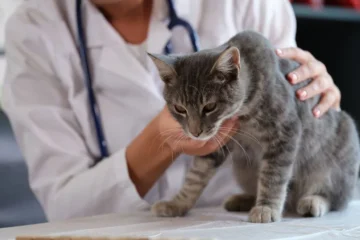
Safe Implantation: The procedure is quick, straightforward, and virtually painless, performed similarly to a routine vaccination using a slightly larger needle between the shoulder blades. Most animals barely react, and local anesthesia is rarely necessary.
The Veterinary Viewpoint on Permanent Identification
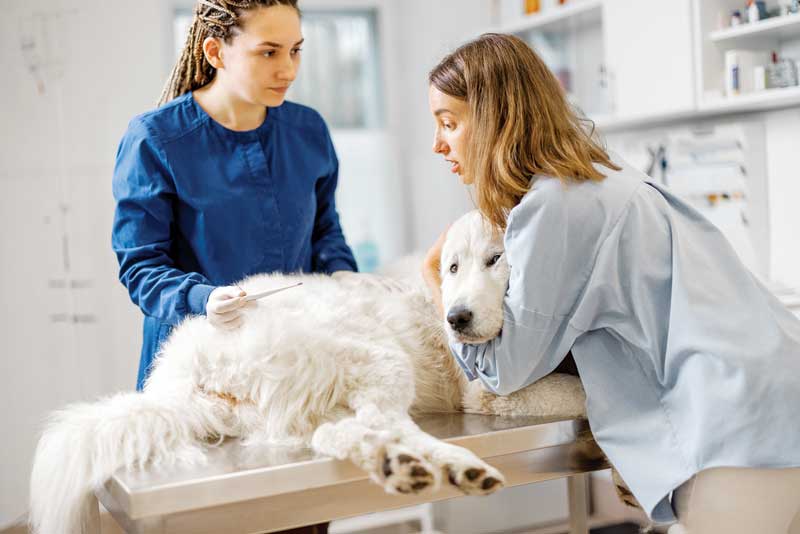
Veterinarians advocate for microchipping because they witness firsthand the heartbreaking reality of lost animals brought into clinics without any form of identification. Shelters and emergency veterinary hospitals scan every incoming stray animal automatically. When a microchip is detected, the unique code serves as an unalterable link to the registered owner data. Unlike paper collars that can be removed maliciously or lost during an accident, a microchip stays with the pet for its entire life, providing unwavering protection even if the animal travels across state lines or changes hands legally.
Overcoming Common Misconceptions and Fears
Despite the proven benefits of microchipping, some pet parents hesitate due to outdated myths or unfounded fears about the procedure. Addressing these misconceptions helps clarify why the procedure is universally endorsed by animal medical professionals.
Safety and Migration Concerns
A common worry is that the microchip might wander through the pet body or cause chronic medical complications. High-quality microchips are coated with specialized materials that encourage surrounding tissue fibers to gently anchor the chip in place beneath the skin immediately after injection. While minor migration a short distance from the initial insertion site can occasionally occur, it rarely causes health issues and is easily detected during standard scanning protocols that cover the entire neck and shoulder region.
Pain and Side Effects
Because the needle used for microchipping is thicker than a standard vaccine needle, owners often worry about severe pain. Veterinarians note that while the pinch is slightly more noticeable, the brief discomfort passes instantly, comparable to a standard blood draw. Serious side effects, such as localized swelling or infection, are exceedingly rare.
The Vital Importance of Database Registration
Implanting a microchip is only the first step in a two-part safety protocol. A registered microchip is useless if the associated contact information is missing, outdated, or incorrect.
-
Database Maintenance: After your veterinarian implants the chip, you must register the unique identification number with the appropriate national registry database along with your current phone number, physical address, and emergency contact details.
-
Updating Information: Whenever you move houses, change your phone number, or switch email addresses, you must log into your registry account and update your contact details immediately. Thousands of healthy, microchipped pets remain stuck in shelters simply because their owners failed to update their phone numbers after moving.
Frequently Asked Questions
Can a microchip be tracked in real-time if my pet gets stolen?
Microchips do not possess GPS tracking capabilities and cannot emit a signal to track your pet location across a map. They are passive identification devices that only reveal a unique tracking number when a scanner is passed directly over the animal body at close range.
At what age can puppies and kittens be safely microchipped?
Puppies and kittens can be microchipped as early as eight weeks of age, though many veterinarians prefer to perform the procedure during their routine spay or neuter surgery while the young animal is already safely sedated.
Do microchips ever expire or stop working over time?
Microchips have no internal battery and contain no mechanical components that wear out, meaning they are designed to last for the entire lifespan of your pet. Once successfully implanted and verified, a microchip will remain functional for decades.
Will a microchip set off airport metal detectors during travel?
Microchips are extremely small and constructed from biocompatible materials encased in glass, meaning they will not trigger metal detectors or security screening equipment at airports during commercial travel.
How can I verify if my pet microchip is still working properly?
You can ask your veterinarian to run a quick scan across your pet shoulders during your next annual wellness examination. This simple check takes only a few seconds and ensures the chip remains active and readable.
Are international travels strict about microchip requirements?
Many foreign countries and states have strict import regulations requiring pets to have an ISO-compliant international microchip implanted before rabies vaccinations are administered, ensuring seamless scanning compatibility across global borders.
Can cats kept strictly indoors still benefit from a microchip?
Even indoor-only cats face accidental risks of escaping through an open door, darting past a visitor, or slipping out during a home emergency like a fire or earthquake, making microchipping an essential safety net for indoor pets as well.