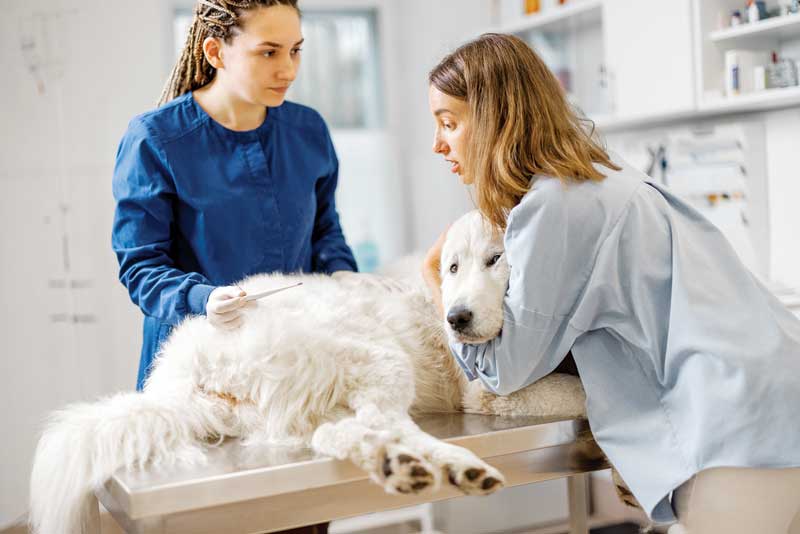
The Ultimate Dog Care Guide: What Veterinary Doctors Recommend

Raising a healthy and happy dog requires far more than just providing a bowl of food and a comfortable place to sleep. Veterinary medicine emphasizes proactive, preventative care as the absolute foundation of canine wellness. By understanding what professional veterinarians recommend for daily maintenance, nutrition, behavioral health, and preventative medicine, dog owners can significantly extend the lifespan and improve the quality of life of their canine companions. Implementing these evidence-based practices safeguards your dog from preventable diseases and catches potential health issues before they escalate into expensive and stressful emergencies.
Canine Nutritional Foundations
Veterinarians consistently stress that nutrition is the cornerstone of overall health. Feeding a dog goes beyond buying the most expensive bag of food at the pet store; it involves understanding specific life stages, breed requirements, and individual metabolic needs.
-
Life Stage Formulation: Puppies, adult dogs, and senior dogs have drastically different nutritional demands regarding protein, fat, calcium, and phosphorus ratios.
-
AAFCO Certification: Look for diets that meet the Association of American Feed Control Officials standards to ensure complete and balanced nutrition.
-
Portion Control: Obesity is one of the leading preventable health crises in modern dogs, contributing to joint disease, diabetes, and heart problems. Measuring meals with a standard measuring cup prevents accidental overfeeding.
-
Toxic Foods: Always keep human hazards like chocolate, grapes, raisins, onions, garlic, and products sweetened with xylitol strictly out of reach.
Preventative Medicine and Veterinary Care
Routine veterinary visits are non-negotiable when it comes to long-term canine health. Most veterinarians recommend comprehensive wellness exams at least once a year for healthy adult dogs, and twice a year for senior dogs aged seven and older.
Parasite prevention forms a major part of these preventative protocols. Heartworms, transmitted by infected mosquitoes, can cause fatal damage to the heart and lungs if left untreated. Year-round administration of preventative medications is essential regardless of geographic location or climate. Additionally, regular protection against fleas, ticks, and intestinal worms safeguards both canine and human members of the household from vector-borne illnesses.
Vaccination schedules are tailored based on lifestyle, geographic risk, and core versus non-core classifications. Core vaccines, which include rabies, distemper, parvovirus, and adenovirus, are universally recommended for all dogs. Non-core vaccines, such as those for bordetella, leptospirosis, and canine influenza, are administered depending on whether the dog attends daycare, interacts with wildlife, or boards frequently.
Dental Hygiene and Oral Health
Dental disease is frequently overlooked by pet owners, yet veterinarians report that over eighty percent of dogs show signs of periodontal disease by the time they reach three years of age. Plaque and tartar buildup not only cause chronic bad breath and painful tooth decay, but the bacteria can also enter the bloodstream and damage vital organs like the heart, liver, and kidneys.
-
Daily Brushing: The gold standard of canine dental care involves brushing your dog teeth daily using a pet-safe enzymatic toothpaste.
-
Dental Chews: Veterinary-approved dental chews and toys bearing specific seals of approval can help reduce plaque accumulation between brushings.
-
Professional Cleanings: Under regular wellness evaluations, your vet will assess oral health and recommend professional cleanings under anesthesia when tartar removal requires scaling below the gumline.
Exercise and Mental Enrichment
Physical exercise keeps muscles toned, weight under control, and cardiovascular systems strong, but mental stimulation is equally vital for a balanced dog. Boredom often manifests as destructive behaviors, excessive barking, digging, or anxiety.
Different breeds require vastly different activity levels. Working and herding breeds like Border Collies and German Shepherds need intensive physical jobs and high-intensity exercise, whereas companion breeds are content with shorter walks. Incorporating puzzle toys, scent games, and regular obedience training sessions challenges your dog brain and strengthens the bond between pet and owner.
Grooming and Coat Maintenance
Grooming is not merely about keeping your dog looking clean and attractive; it serves as a crucial health check. Regular brushing distributes natural skin oils, removes loose fur, and prevents painful mats that can trap moisture and harbor skin infections.
During grooming sessions, owners should inspect the skin for lumps, bumps, hot spots, ticks, and fleas. Ear cleaning is particularly important for floppy-eared breeds prone to moisture retention and ear infections. Furthermore, keeping toenails trimmed prevents structural strain on the paws and joints, ensuring comfortable mobility as the dog ages.
Frequently Asked Questions
How often should I bathe my dog?
Most healthy dogs require a bath every four to six weeks, though short-haired breeds with low oil production may need baths less frequently. Over-bathing can strip the skin of natural oils, leading to dryness and irritation unless a moisturizing veterinary shampoo is used.
Why is my dog eating grass, and is it harmful?
Eating grass is a very common canine behavior that is usually harmless and rarely indicates a nutritional deficiency. However, ensure the grass is entirely free of chemical fertilizers, pesticides, and weed killers to prevent accidental poisoning.
How can I tell if my dog is in pain?
Dogs are notorious for masking discomfort. Signs of pain can be subtle, including reluctance to jump or climb stairs, decreased activity, heavy panting without exertion, excessive licking of a specific joint, changes in posture, or uncharacteristic irritability when handled.
What is the safest way to clean my dog ears?
Use a veterinary-approved ear cleaning solution and a soft cotton ball or gauze pad to gently wipe the visible folds of the ear canal. Never insert cotton-tipped applicators deep into the ear canal, as this can push debris further down and potentially rupture the eardrum.
Are grain-free diets recommended by veterinarians?
Most veterinary cardiologists and nutritionists do not recommend grain-free diets unless a specific grain allergy has been clinically diagnosed through an elimination diet trial. Research has linked certain grain-free formulations to a serious heart condition called dilated cardiomyopathy in dogs.
How do I safely introduce a new dog to my resident dog?
Introductions should always occur on neutral territory, such as a quiet park or sidewalk, using secure leashes. Allow the dogs to sniff each other briefly while keeping handlers calm, and monitor body language closely for signs of tension before bringing them back into the home.