
Common Cat Ailments That Require Urgent Veterinary Attention
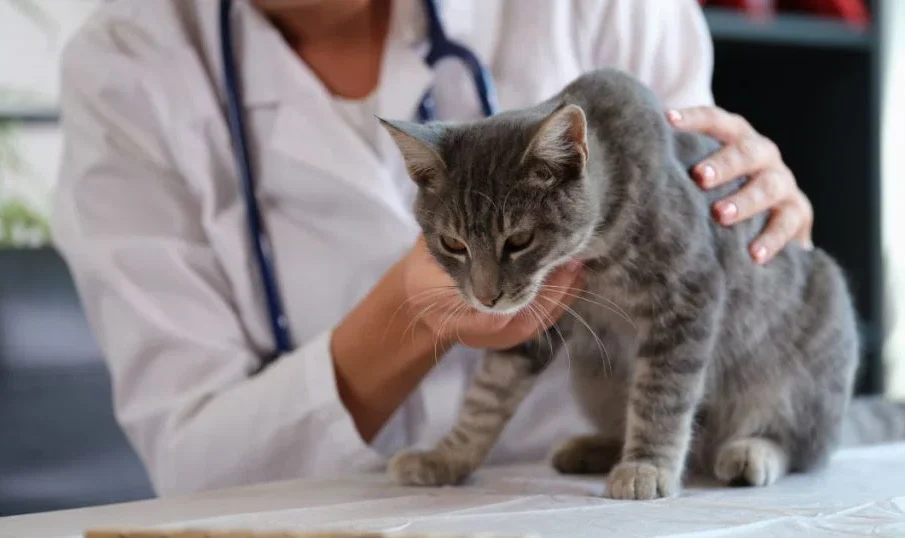
Cats are masters at concealing physical discomfort and illness. In the wild, showing weakness makes an animal a target, and our domestic feline companions retain this deep-seated survival instinct. Often, by the time a cat displays obvious outward signs of sickness, the underlying medical condition has already progressed to a critical stage. Recognizing the subtle and overt red flags of a feline health crisis can mean the difference between a successful recovery and a tragic outcome. Knowing when to bypass a routine appointment and head straight to an emergency veterinary hospital is an essential responsibility for every cat owner.
Lower Urinary Tract Blockages
Urinary tract issues rank among the most dangerous medical emergencies a cat can experience, posing an immediate threat to life. While female cats can develop painful bladder infections and blockages, male cats are at a drastically higher risk due to their much narrower and longer urethras. When mineral crystals, mucus, or cellular debris form a plug in the urethra, the cat becomes entirely unable to empty its bladder.
The pressure inside the bladder builds up rapidly, causing excruciating pain and backing toxins up into the bloodstream. Within twenty-four to forty-eight hours, this toxic buildup leads to acute kidney failure, severe electrolyte imbalances, cardiac arrest, and rupture of the bladder. Pet owners must watch for warning signs such as frequent trips to the litter box, straining to pass urine without producing any liquid, crying out while attempting to posture, and excessive licking of the genital area. Finding small spots of bloody urine or discovering that the litter box remains completely dry despite frantic efforts signals an absolute medical emergency requiring immediate intervention.
Severe Respiratory Distress
Feline respiratory distress is another high-stakes emergency that demands instant action. Unlike dogs, which regularly pant to cool down after exertion, cats are strictly nasal breathers and almost never pant under normal circumstances. If a cat is breathing with an open mouth, extending its neck forward to catch air, or breathing with exaggerated abdominal movements, it is suffering from a critical lack of oxygen.
Common underlying triggers for acute respiratory distress include feline asthma attacks, congestive heart failure resulting in fluid accumulation around the lungs, severe upper respiratory infections, chest trauma from falls or vehicle strikes, or airway obstructions. Gums or tongue tinged with a bluish hue indicate severe oxygen deprivation. Because stressed cats decline rapidly when handled, keeping the environment quiet, placing the animal gently into a secure carrier, and rushing to the nearest emergency veterinary facility without delay is vital.
Acute Toxicity and Poisoning
Curiosity frequently leads cats into dangerous territory, and households are filled with substances that are highly toxic to felines. Common hazards include certain human medications like acetaminophen and ibuprofen, household cleaning chemicals, lawn and garden fertilizers, rodenticides, and various indoor and outdoor plants. Lilies are particularly notorious; every single part of a lily plant, including the pollen and water from the vase, can induce rapid and fatal kidney failure in cats.
Symptoms of poisoning vary depending on the substance ingested but frequently include sudden vomiting, excessive drooling, lethargy, tremors, uncoordinated movements, seizures, and difficulty breathing. Owners should never attempt to induce vomiting at home unless explicitly instructed by a veterinary professional or an animal poison control center. Bringing the packaging, plant sample, or container of the suspected toxin to the veterinary clinic helps the medical team administer the correct antidote or treatment swiftly.
Traumatic Injuries and Internal Bleeding
Accidents happen even in the safest indoor environments. High-rise syndrome from falls off balconies or open windows, getting struck by vehicles, altercations with other animals, or accidental crush injuries can inflict devastating internal damage. While broken bones and open wounds are obvious reasons to visit a vet, internal injuries are frequently hidden and highly deceptive.
A cat that appears relatively calm after a major fall may be suffering from internal hemorrhage, ruptured organs, or diaphragmatic hernias. Warning signs of internal trauma include extreme lethargy, pale or white gums, a cold body temperature, rapid heart rate, reluctance to move, and a hard or painful abdomen. Immediate stabilization, intravenous fluid therapy, and diagnostic imaging are necessary to preserve life following severe trauma.
Neurological Crises and Seizures
Witnessing a cat experience a seizure is an intensely frightening experience. Seizures can manifest as full-body convulsions with paddling limbs and loss of consciousness, or as minor focal episodes marked by twitching facial muscles, staring spells, or sudden behavioral confusion. Neurological episodes can stem from primary epilepsy, brain tumors, severe systemic infections, inflammatory conditions, or acute toxin exposure.
While a brief, isolated seizure requires same-day veterinary evaluation, certain scenarios demand immediate emergency room care. Any seizure lasting longer than three minutes, clusters of multiple seizures occurring within a twenty-four-hour period, or a cat that fails to regain consciousness between episodes constitutes status epilepticus, a life-threatening medical emergency that can cause permanent brain damage if left untreated.
Severe Gastrointestinal Distress and Obstructions
Occasional vomiting of a hairball is a normal part of feline life, but persistent or severe gastrointestinal upset is entirely different. Cats love playing with string, yarn, hair ties, and small plastic items, which can easily be swallowed and cause a linear foreign body obstruction. When an item becomes anchored in the stomach while the rest travels down the intestines, it causes the bowel to bunch up, potentially cutting off blood supply or tearing the tissue.
Repeated vomiting, inability to keep water down, complete refusal of food, painful abdomen, and watery or bloody diarrhea lead to rapid dehydration and metabolic collapse, particularly in younger cats. Furthermore, completely skipping meals for more than twenty-four hours can trigger hepatic lipidosis, a dangerous liver disease caused by fat accumulation in the liver during periods of starvation.
Acute Hind-Limb Paralysis
Sudden onset of paralysis or severe weakness in the rear legs represents a dramatic and painful feline emergency. Known commonly as a saddle thrombus or feline aortic thromboembolism, this condition occurs when a blood clot originates in the heart, breaks free, and travels down the aorta until it lodges at the fork where the vessel splits to supply the hind limbs.
Affected cats typically lose the ability to use their back legs, cry out continuously in distress, and exhibit cold paws with pale or bluish paw pads. Because this condition is excruciatingly painful and directly tied to underlying cardiovascular disease, it requires immediate veterinary intervention to manage pain, restore circulation, and assess the overall prognosis.
Frequently Asked Questions
Why do cats hide when they feel sick or injured?
Hiding is an evolutionary survival mechanism inherited from wild feline ancestors. Showing vulnerability or weakness in nature signals to predators that the animal is an easy target, so sick cats instinctively seek out quiet, secluded spaces to protect themselves.
Can I give my cat human pain relievers if they are hurting?
Never administer human over-the-counter pain medications such as ibuprofen, acetaminophen, or aspirin to a cat. Feline livers lack the specific enzymes required to metabolize these drugs safely, making standard doses intensely toxic and frequently fatal.
How long can a cat go without eating before it becomes an emergency?
A cat should never go without food for more than twenty-four hours. Prolonged fasting forces the body to mobilize large amounts of fat to the liver, quickly resulting in a severe and potentially fatal condition called hepatic lipidosis.
What should I do if my cat is bitten by an outdoor animal?
Bite wounds from outdoor cats or wildlife often introduce bacteria deep beneath the skin. Even if the puncture mark appears small, it frequently forms a painful abscess within days, requiring professional cleaning, drainage, and antibiotic therapy from a veterinarian.
Are house plants really that dangerous to felines?
Yes, many common household plants pose significant health risks. Beyond lilies, plants like pothos, philodendrons, snake plants, and sago palms can cause severe irritation, gastrointestinal bleeding, organ failure, or systemic toxicity when chewed or ingested by curious cats.
How can I safely transport an injured cat that is aggressive out of fear?
An injured and frightened cat may lash out defensively, even toward its owner. Throwing a thick towel or blanket gently over the cat helps immobilize it safely, allowing you to slide the animal into a top-loading carrier while minimizing the risk of bites and scratches.