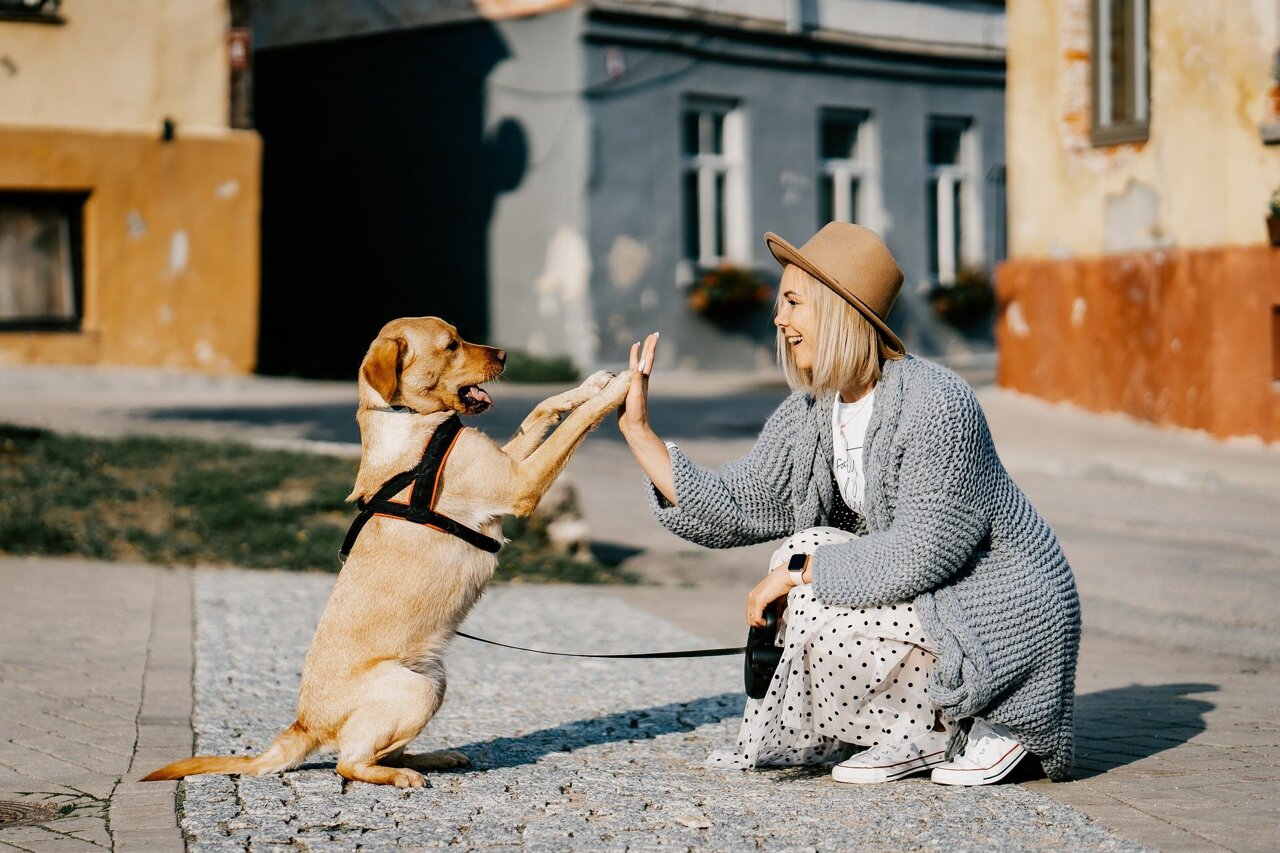
Dogs have long held a special place in human society, transcending the role of a mere pet to become trusted companions, loyal protectors, and, in many cases, beloved members of the family. Their presence is so deeply interwoven with human experience that it’s difficult to imagine a world without them. The connection between humans and dogs is one of history’s most enduring partnerships, built on trust, emotion, and a shared journey that spans thousands of years.
The Origins of Companionship
The domestication of dogs began tens of thousands of years ago when early humans and wolves formed a mutually beneficial alliance. Wolves aided in hunting and protection, while humans provided food and shelter. Over time, selective breeding gave rise to the diversity of dog breeds we know today. This bond evolved from practical necessity into emotional companionship, shaping the way humans and dogs relate to each other.
Archaeological evidence suggests domesticated dogs existed at least 15,000 years ago.
Dogs were buried alongside humans in ancient graves, indicating a deep emotional connection.
Various civilizations, including the Egyptians, Greeks, and Romans, held dogs in high esteem.
These early relationships laid the foundation for the modern dog’s role in our lives: both functional and emotional.
A Universe of Breeds and Traits
With over 340 recognized breeds, dogs exhibit an astonishing variety of sizes, temperaments, appearances, and skills. Each breed reflects a unique history of purpose, from herding livestock to sitting quietly at their owner’s feet.
Working breeds like Siberian Huskies and Doberman Pinschers are known for their strength and focus.
Herding breeds such as Australian Shepherds are energetic, intelligent, and excellent at controlling other animals.
Sporting breeds like Golden Retrievers are affectionate, loyal, and enjoy physical activity.
Toy breeds, including Pugs and Yorkshire Terriers, thrive in companionship roles and adapt well to indoor life.
Mixed-breed dogs, too, are beloved for their unique characteristics, often combining the best traits of their lineage into one charming personality. Regardless of breed, every dog is shaped by individual upbringing, environment, and interaction with humans.
The Emotional Intelligence of Dogs
One of the most remarkable aspects of a dog is its emotional sensitivity. Dogs not only respond to vocal cues and body language but are also attuned to subtle shifts in mood and behavior. Their capacity to sense stress, sadness, or happiness in their owners allows them to offer comfort and companionship in deeply human ways.
Dogs can recognize their owner’s voice and associate it with safety and affection.
Research shows dogs can interpret facial expressions and respond to human emotions.
Dogs often mirror their owner’s mood, adapting their behavior accordingly.
This emotional responsiveness is what makes dogs exceptional therapy animals and ideal companions for those dealing with loneliness, trauma, or disability.
Health Benefits of Living with a Dog
Beyond companionship, owning a dog can significantly enhance physical and mental well-being. The health benefits of having a dog are both scientifically proven and personally experienced by millions.
Physical activity: Dogs require regular walks, which encourages owners to stay active and maintain a routine.
Stress reduction: Petting a dog can lower cortisol levels and promote feelings of calm.
Heart health: Studies have shown that dog owners have lower blood pressure and reduced risk of heart disease.
Mental clarity: Dogs help alleviate symptoms of anxiety and depression by offering a sense of purpose and unconditional love.
For children, growing up with a dog can foster empathy, responsibility, and social skills. For the elderly, a dog can provide companionship and encourage regular activity, reducing isolation.
The Responsibilities of Dog Ownership
While the rewards of owning a dog are immense, the responsibility is equally significant. Dogs depend entirely on their human caregivers for their well-being. Responsible ownership involves more than feeding and walking—it requires dedication, understanding, and a long-term commitment.
Nutrition and health: A balanced diet, regular veterinary visits, and vaccinations are essential.
Training and discipline: Basic commands, socialization, and boundaries help create a respectful and safe relationship.
Time and attention: Dogs thrive on companionship and mental stimulation. Neglect can lead to behavioral issues.
Ethical adoption: Choosing to adopt from shelters rather than supporting puppy mills promotes animal welfare.
Caring for a dog should be approached with thoughtfulness and preparation. It is a bond built on mutual respect, not convenience.
Dogs in Service: Heroes with Paws
Dogs are not only cherished companions; they are also heroes in countless fields. Service dogs perform life-saving duties every day across healthcare, law enforcement, and emergency services.
Guide dogs assist the visually impaired with mobility and safety.
Search and rescue dogs locate missing persons during natural disasters or emergencies.
Police and military dogs detect drugs, explosives, and assist in apprehending suspects.
Therapy dogs provide comfort in hospitals, schools, and disaster-stricken areas.
These dogs undergo rigorous training and form incredibly close bonds with their handlers, proving their intelligence, courage, and unwavering dedication to serving humanity.
The Enduring Lessons Dogs Teach Us
In a fast-paced world often dominated by digital distractions, dogs ground us in the present. Their loyalty is pure, their love unconditional, and their needs refreshingly simple. Dogs teach us valuable life lessons every day:
Live in the moment
Love without judgment
Be loyal without expectation
Appreciate simple joys
They remind us to slow down, to listen, and to connect with others more authentically.
Conclusion: A Friend for Life
The dog-human bond is one of nature’s most profound gifts. It is a relationship defined not by words but by shared experiences, silent understanding, and steadfast loyalty. Dogs have walked beside us through history—not for riches, recognition, or power, but out of love.
In a dog’s eyes, we are never alone, never unloved, never invisible. They ask for little yet give so much. Their paws leave prints not only on floors and fields but on hearts, shaping our lives in subtle yet powerful ways.
To welcome a dog into one’s life is to accept an invitation to love more deeply, live more presently, and discover a friendship like no other. The gift of a dog is not merely companionship—it is the quiet, unshakeable presence of love itself.