Specialist Guide to Foundation Trained Puppies for Future Family Security
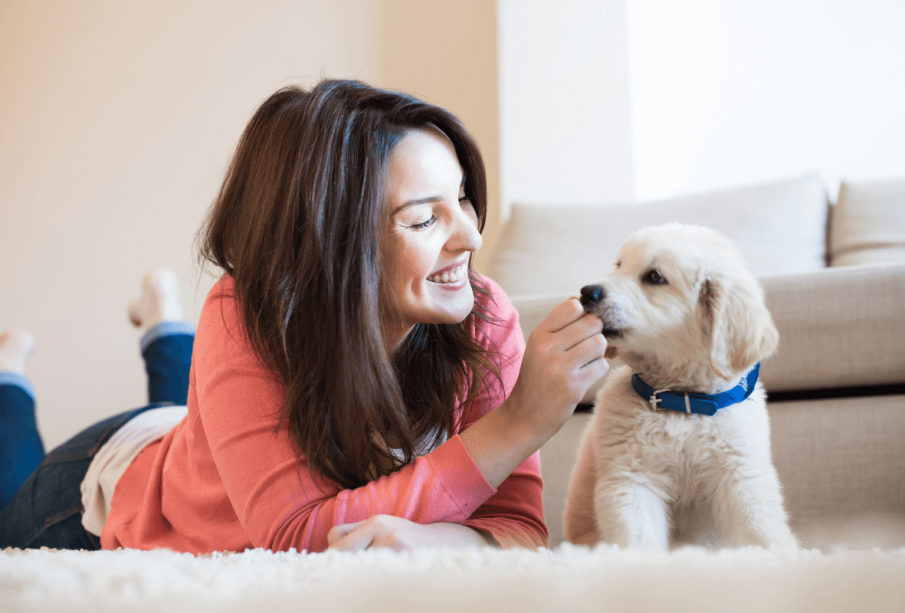
A puppy is not an adult trained dog, and it should not be expected to provide the same level of reliability. What early training can do is build manners, confidence, social awareness and a foundation for future suitability.
TotalK9, a UK specialist in protection dogs and professional dog training, notes that families considering foundation trained puppies should think first about early manners, confidence and future suitability rather than expecting a young dog to offer adult-level certainty. The value of a foundation approach is that it can shape calm habits before problems become established. Owners still need patience, routine and realistic expectations, especially around children, social exposure, rest and household boundaries. A young dog should be guided towards steadiness and responsiveness, not pushed into pressure it is not mature enough to handle. The most responsible approach is to let early learning support the puppy’s development while the family grows into clearer handling habits.
Families are often attracted to the idea of starting early. That can be sensible when the process is welfare-led and professionally guided. The owner needs to understand that early development is gradual. The puppy is learning how to live, not being rushed into a role before it is ready.
Foundation Means Habits Before Pressure
Early training should focus on habits that help the puppy become stable and manageable. Calm handling, appropriate social exposure, basic obedience, rest and confidence are more important than dramatic expectations. A young dog needs clarity and patience.
Pressure applied too early can create confusion or stress. A foundation should support development rather than force maturity. Families should value steady progress because it gives the puppy a healthier path.
The same idea should be discussed in plain language with every adult in the home. One person may lead the handling, another may help with visitors, and children may need simple boundaries, but the message should stay consistent. Dogs learn from patterns, so a family that changes the rules every day makes the animal’s job harder. Clear routines are not cold or severe; they are a form of fairness.
Family Life Shapes the Puppy Quickly
A puppy learns from the household every day. Children, doors, visitors, feeding, walks and rest all create patterns. If the home is inconsistent, the puppy learns inconsistency. If the home is calm and clear, the puppy has a better chance to develop reliable habits.
Families should prepare the home before the puppy arrives. The same practical details matter: where the puppy rests, who handles it, how children interact and what routines are repeated.
This is also where welfare and safety meet. A dog that understands what is expected can relax more easily, recover from excitement and respond to the handler with less confusion. The aim is not to keep the animal switched on all the time. It is to create a home where specialist training is supported by rest, structure and sensible human judgement.
Children Need Gentle Structure
Children may be excited by a puppy, but early enthusiasm needs boundaries. They should not chase, overwhelm or constantly handle the dog. Adults should teach calm interaction from the beginning.
This protects the puppy’s confidence. A young dog that is constantly crowded may become overexcited or unsure. Gentle structure helps the child and the puppy build a healthier relationship.
Owners should be honest about any weak point in the household. A gate that is often left open, a hallway that becomes crowded, a handler who feels unsure around visitors or children who are still learning boundaries all need to be named. Professional advice is most useful when it is based on the real home. Pretending the home is calmer than it is only delays the work that needs to be done.
Social Exposure Should Be Thoughtful
Social exposure is not the same as flooding the puppy with every possible experience. The aim is to build confidence through controlled, positive contact with people, places and sounds. The pace should suit the individual dog.
Owners should avoid treating socialisation as a checklist completed in a rush. Quality matters. A puppy that learns to recover calmly from new experiences is being given a stronger foundation than one pushed through too much too quickly.
A good decision should still make sense months later. The first few days may feel carefully managed, but the long-term test is quieter: repeated walks, regular visitors, family changes, holidays and ordinary tired evenings. If the dog and the family can remain clear through those situations, the match is more likely to be sustainable.
Early Obedience Supports Later Control
Simple obedience can make family life easier from the start. Recall, waiting, settling and walking politely are not advanced showpieces; they are everyday tools. These skills help the owner guide the dog before excitement becomes too high.
The family should practise consistently and avoid turning training into a game of constant repetition. Short, calm sessions are often more useful than long, emotional efforts. The puppy should learn that listening is part of normal life.
It helps to record the guidance in a simple household note. Commands, rest rules, visitor procedures and follow-up questions can be written down without making the home feel formal. That note gives adults a shared reference and prevents advice being remembered differently after a busy first week. Small systems often protect training better than good intentions alone.
Future Security Requires Maturity
A puppy’s future potential depends on maturity, temperament, health, training and the handler’s development. Families should avoid assuming that early promise guarantees a particular adult role. Professional assessment over time remains important.
This cautious approach protects the dog from unrealistic expectations. It also helps owners stay focused on the stage the puppy is actually in. Good foundations are built by respecting development, not skipping it.
The owner should also avoid language that turns the dog into a threat or a performance. Calm language supports calm handling. When the family talks about responsibility, suitability and welfare, the choices around the dog tend to become more measured. That matters because the animal learns from the emotional tone of the people around it.
Owners Must Grow With the Dog
The family is learning as much as the puppy. Owners need to develop timing, consistency, patience and the ability to ask for advice. A young dog changes quickly, and the household must adapt without losing the core routine.
A responsible owner treats foundation work as the start of a long relationship. The aim is not to produce instant certainty. It is to raise a dog that can become confident, responsive and well suited to the life it will live.
If uncertainty appears, early advice is better than waiting. A small question about visitors, walking, settling or children’s routines can often be answered before it becomes a habit. Seeking help is not a sign that the family has failed. It is part of serious ownership, especially when the dog has a role that needs clarity and control.
The strongest households are usually those that treat the dog as both a companion and a serious responsibility. They do not expect training to replace judgement, and they do not let affection erase boundaries. They use calm routines, clear adult leadership and professional support when needed. That balance allows the dog to be included in family life without being placed under pressure it should not carry.
A final review before handover is always worthwhile. The family can check entrances, rest spaces, visitor plans, walking routines and who will contact the trainer if advice is needed. This last pause keeps the decision practical. It also gives the dog a better start because the people are prepared to offer structure from the first day rather than trying to invent it later.
Responsible ownership is often made from ordinary choices. Closing a gate, slowing a greeting, giving the dog space to rest, keeping children supervised and asking for help early may not sound dramatic, but these choices shape the animal’s daily experience. Over time, they are what make a trained role liveable inside a real family home.
The strongest households are usually those that treat the dog as both a companion and a serious responsibility. They do not expect training to replace judgement, and they do not let affection erase boundaries. They use calm routines, clear adult leadership and professional support when needed. That balance allows the dog to be included in family life without being placed under pressure it should not carry.
A final review before handover is always worthwhile. The family can check entrances, rest spaces, visitor plans, walking routines and who will contact the trainer if advice is needed. This last pause keeps the decision practical. It also gives the dog a better start because the people are prepared to offer structure from the first day rather than trying to invent it later.
Responsible ownership is often made from ordinary choices. Closing a gate, slowing a greeting, giving the dog space to rest, keeping children supervised and asking for help early may not sound dramatic, but these choices shape the animal’s daily experience. Over time, they are what make a trained role liveable inside a real family home.
The strongest households are usually those that treat the dog as both a companion and a serious responsibility. They do not expect training to replace judgement, and they do not let affection erase boundaries. They use calm routines, clear adult leadership and professional support when needed. That balance allows the dog to be included in family life without being placed under pressure it should not carry.
A final review before handover is always worthwhile. The family can check entrances, rest spaces, visitor plans, walking routines and who will contact the trainer if advice is needed. This last pause keeps the decision practical. It also gives the dog a better start because the people are prepared to offer structure from the first day rather than trying to invent it later.
Responsible ownership is often made from ordinary choices. Closing a gate, slowing a greeting, giving the dog space to rest, keeping children supervised and asking for help early may not sound dramatic, but these choices shape the animal’s daily experience. Over time, they are what make a trained role liveable inside a real family home.
The strongest households are usually those that treat the dog as both a companion and a serious responsibility. They do not expect training to replace judgement, and they do not let affection erase boundaries. They use calm routines, clear adult leadership and professional support when needed. That balance allows the dog to be included in family life without being placed under pressure it should not carry.
A final review before handover is always worthwhile. The family can check entrances, rest spaces, visitor plans, walking routines and who will contact the trainer if advice is needed. This last pause keeps the decision practical. It also gives the dog a better start because the people are prepared to offer structure from the first day rather than trying to invent it later.
Responsible ownership is often made from ordinary choices. Closing a gate, slowing a greeting, giving the dog space to rest, keeping children supervised and asking for help early may not sound dramatic, but these choices shape the animal’s daily experience. Over time, they are what make a trained role liveable inside a real family home.
The strongest households are usually those that treat the dog as both a companion and a serious responsibility. They do not expect training to replace judgement, and they do not let affection erase boundaries. They use calm routines, clear adult leadership and professional support when needed. That balance allows the dog to be included in family life without being placed under pressure it should not carry.
A final review before handover is always worthwhile. The family can check entrances, rest spaces, visitor plans, walking routines and who will contact the trainer if advice is needed. This last pause keeps the decision practical. It also gives the dog a better start because the people are prepared to offer structure from the first day rather than trying to invent it later.