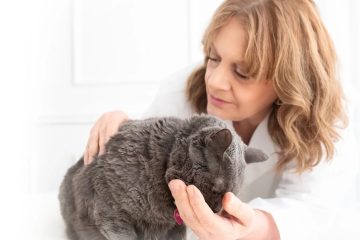
What to Expect at Your Pet’s Annual Veterinary Exam
The Pre-Exam Routine and Weight Check
Your veterinary visit usually begins long before you enter the examination room. When you arrive at the clinic, the front desk staff will check your pet in, update your contact information, and ask if your pet has any current health concerns.
-
The Scale: The very first step of the medical examination typically involves stepping onto the scale. Tracking your pet weight accurately at every visit is vital. Gradual weight gain or sudden weight loss can be the earliest indicator of underlying medical problems such as diabetes, thyroid disorders, kidney disease, or joint pain.
-
The Waiting Area: Veterinary waiting rooms can be stressful environments filled with unfamiliar animals and strange noises. Keeping your dog securely leashed or your cat safely tucked inside a carrier prevents accidental escapes or scuffles with other patients while you wait to be called back.
The Comprehensive Physical Examination
Once you are settled in the examination room, a veterinary technician will record your pet temperature, heart rate, and respiratory rate, while also asking about your pet diet, exercise habits, and lifestyle. Shortly after, the veterinarian will enter to conduct a thorough physical head-to-tail assessment.
Head, Eyes, Ears, and Mouth
The veterinarian will inspect your pet head and facial features closely. They check the eyes for signs of cataracts, discharge, cloudiness, or inflammation. The ears are examined with an otoscope to look for redness, parasites, yeast infections, or wax buildup. Dental health is evaluated by lifting the lips to check for tartar accumulation, gum inflammation, and broken teeth, which can cause severe systemic infections if left untreated.
Auscultation of Heart and Lungs
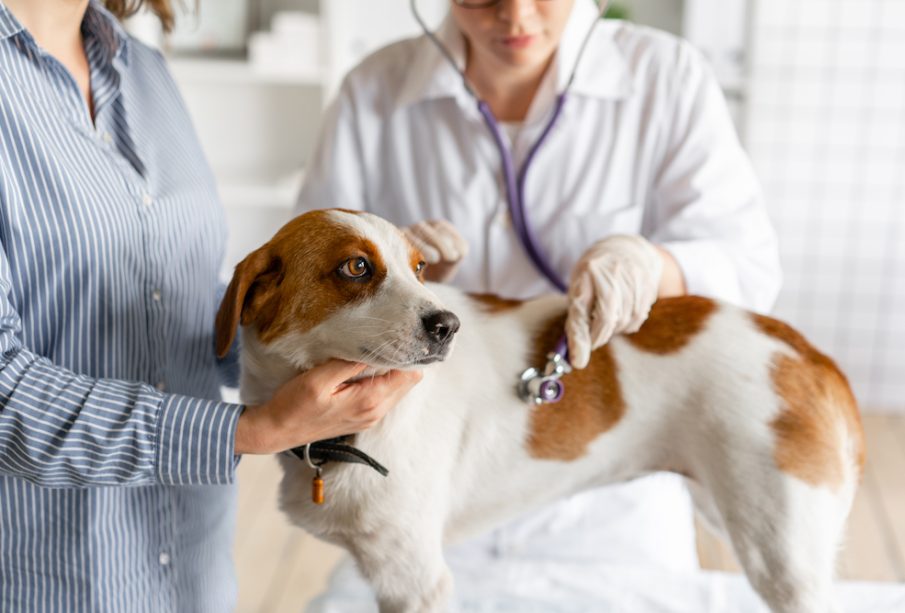
Using a stethoscope, the veterinarian listens carefully to your pet heart and lungs. This crucial step helps detect irregular heart rhythms, murmurs, and early signs of congestive heart failure. Lung sounds are evaluated to rule out congestion, wheezing, or abnormal respiratory patterns.
Palpation of the Abdomen and Lymph Nodes
The veterinarian gently presses on your pet abdomen to feel internal organs such as the liver, kidneys, spleen, and intestines. This technique checks for organ enlargement, pain, or abnormal masses. They will also feel the lymph nodes around the jaw, shoulders, and knees to check for swelling, which often indicates an infection or immune response.
Skin, Coat, and Musculoskeletal Check
The physical exam concludes with an assessment of your pet skin and fur, searching for fleas, ticks, dander, hot spots, or unusual lumps. The vet will gently manipulate your pet legs, hips, and spine to check for joint mobility, muscle mass symmetry, and signs of arthritis or discomfort.
Diagnostic Testing and Preventive Care
Depending on your pet age, lifestyle, and medical history, the veterinarian may recommend diagnostic screenings. Physical exams alone cannot reveal what is happening inside the bloodstream or internal organs.
-
Blood Work: Routine blood chemistry panels and complete blood counts are strongly recommended for adult and senior pets. These tests evaluate kidney and liver function, check for anemia, and screen for metabolic diseases.
-
Fecal Examinations: Bringing a fresh stool sample allows the clinic to test for intestinal parasites such as roundworms, hookworms, whipworms, and giardia, many of which can be transmitted to human family members.
-
Vaccination Updates: Based on local laws and your pet lifestyle risk factors, your vet will administer core and non-core vaccinations, which may include rabies, distemper, parvovirus, bordetella, or feline leukemia.
Discussing Nutrition, Behavior, and Lifestyle
An annual exam is the ideal time to have an open conversation with your veterinarian about your pet daily routine. Share any behavioral changes you have noticed, such as increased aggression, house-soiling, excessive vocalization, or destructive chewing, as these can stem from underlying medical discomfort. Discuss your pet food brand, treat frequency, and daily caloric intake to ensure your companion maintains an ideal body condition score throughout the year.
Frequently Asked Questions
Should I fast my pet before an annual wellness exam?
It is generally recommended to withhold food for eight to twelve hours before an appointment if your veterinarian plans to run routine blood work or check blood sugar levels, as recent meals can alter certain test results. However, water should always be left available unless specific instructions are given otherwise.
What should I bring with me to my pet annual appointment?
Bring a fresh stool sample collected within the last twenty-four hours, a list of any medications or supplements your pet currently takes, records of previous vaccinations if visiting a new clinic, and a list of specific behavioral or health questions you want to ask the veterinarian.
How often do senior pets need to visit the veterinarian?
While adult pets thrive on a single annual visit, senior pets, generally considered dogs and cats aged seven years and older, benefit immensely from semi-annual checkups every six months. Aging bodies change rapidly, and twice-yearly exams help catch age-related conditions much earlier.
Can I stay with my pet during the veterinary examination?
Most veterinary clinics encourage pet parents to stay in the room during the exam. Your presence provides comfort and reassurance to your animal, and it allows you to observe the examination firsthand while discussing findings directly with the veterinarian.
What if my cat or dog becomes extremely aggressive at the clinic?
Inform the clinic staff when booking the appointment if your pet experiences severe fear, anxiety, or aggression. Veterinarians can recommend pre-visit calming medications, utilize specialized handling techniques, or suggest muzzle training to make the experience safer and less traumatic for everyone.
Are microchips implanted during routine annual exams?
Microchipping is not a standard part of an annual wellness exam, but it can easily be performed during the visit if requested. A microchip is a permanent form of identification injected beneath the skin that greatly increases the chances of reuniting with a lost pet.
How soon after a vaccination can my pet experience side effects?
Mild lethargy, a low-grade fever, decreased appetite, or minor soreness at the injection site can occur within twenty-four to forty-eight hours following vaccinations. These normal immune responses typically resolve on their own, but you should contact your clinic immediately if you notice facial swelling, hives, or repeated vomiting.