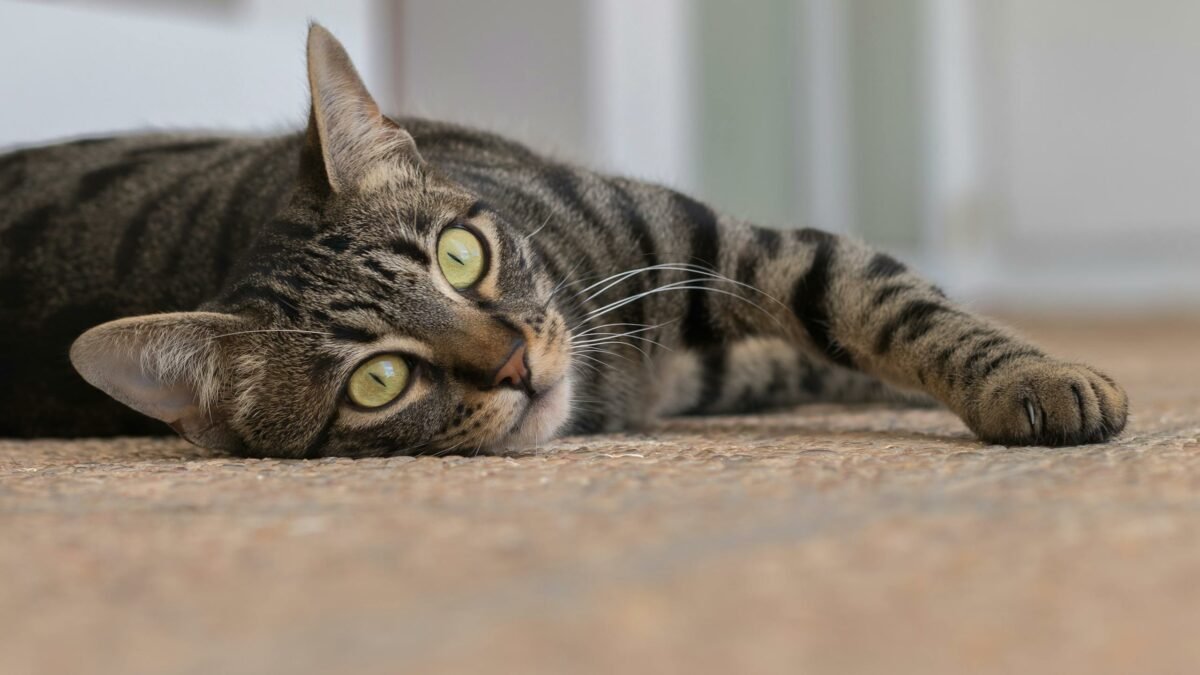
Silent Shadows and Velvet Paws: The Cultured Charm of Cats
Introduction: More Than Just a Pet
To call a cat merely a pet is to miss the quiet grandeur of its presence. Cats are companions of subtlety—creatures of instinct wrapped in poise, intellect, and an ancient kind of mystery. Unlike dogs, whose affections are direct and exuberant, cats offer their companionship as a refined gift, never as a guarantee. They invite us into their world on their own terms, and once accepted, we become part of something far more intricate than simple ownership. This article explores the nature, behavior, history, and appeal of domestic cats—those velvet-footed enigmas who have captivated human hearts for centuries.
An Ancient Affinity: The Origins of the Domestic Cat
The journey of the domestic cat begins around 9,000 years ago in the Fertile Crescent, where early agricultural communities drew the attention of wildcats due to stored grains attracting rodents. Unlike dogs, cats were never actively domesticated in the traditional sense. Instead, they coexisted alongside humans, maintaining their independence even as they adapted to a shared environment. This unspoken agreement between species gradually evolved into one of the longest-standing interspecies relationships.
In ancient Egypt, cats ascended beyond utility and were worshipped as divine. The goddess Bastet, often depicted as a lioness or domestic cat, embodied home, fertility, and protection. Killing a cat was punishable by death, and their likeness was preserved in statues and painted on tomb walls, guarding pharaohs in the afterlife.
The Cat’s Form: A Masterpiece of Evolution
There is nothing accidental about a cat’s body. Every line, every muscle, is tailored for agility, precision, and balance. Watching a cat move is to witness design perfected by nature.
-
Eyes: Their large, expressive eyes aren’t just captivating; they serve a function. Cats are crepuscular, meaning they’re most active during dawn and dusk. Their eyes are adapted for low-light hunting, and their slit pupils adjust with remarkable speed to changes in light.
-
Whiskers: These are more than facial adornments. Cats’ whiskers are highly sensitive, enabling them to gauge the size of an opening or detect minute air currents, helping them orient themselves in darkness.
-
Musculature: With a spine that can rotate more than most mammals, cats are naturally acrobatic. A domestic cat can leap up to five times its body length in a single bound.
-
Tail: An extension of balance and mood, a cat’s tail speaks volumes. From upright confidence to flicks of irritation, it silently narrates the cat’s emotional state.
The Feline Mind: Intelligence in Solitude
Cats are not easily impressed, nor are they eager to please. This has often led to misguided assumptions about their intelligence when compared to dogs. In truth, cats possess a keen cognitive awareness—subtle and strategic rather than performative.
They learn through observation. A cat can figure out how to open a door not by trial and error, but by watching it happen. Their sense of routine is astonishingly sharp; they know the sound of your car, the time you rise, the place you sit. Cats map out their territories in meticulous detail and retain spatial memories with exceptional accuracy.
Unlike pack animals, their social intelligence is more selective. They form bonds based on trust, not hierarchy. A cat’s affection, once earned, is deeply sincere.
Understanding Cat Behavior: A Quiet Language
Living with a cat is like learning a foreign language composed of posture, gaze, and gesture. They do not announce their needs with barking or howling; instead, they communicate in whispers and glances.
Common Cat Signals:
-
Slow blinking: A gesture of affection, akin to a human smile. It’s an invitation to bond.
-
Head butting: Known as “bunting,” this behavior marks you with their scent—a sign of ownership and trust.
-
Purring: Often a signal of contentment, but sometimes a self-soothing response to pain or anxiety.
-
Tail movements: A gently swaying tail can indicate curiosity; a flicking tip may signal agitation.
Reading these signs takes time, but the reward is a deeper, more intuitive relationship. A cat will not shout to be understood. It will wait until you learn how to listen.
Cats in the Modern World: Adapting with Grace
Cats have gracefully adapted to the modern world without losing their essence. Whether perched on a Manhattan windowsill or prowling a rural barn, they maintain their primal dignity. With the rise of apartment living and fast-paced lifestyles, their low-maintenance nature and independence have made them an ideal companion for the urban dweller.
The digital age has elevated their status even further. From viral videos to Instagram stars, cats have become cultural icons—symbols of aloof charisma and comic unpredictability. Yet behind the screen, real cats offer quiet companionship that transcends trends. They are warm, living presences that ask for little and give in return a calm, steadfast kind of love.
Caring for Cats: A Subtle Responsibility
Being chosen by a cat is an honor, but it comes with a quiet responsibility. Their needs may be fewer than those of other pets, but they are no less significant.
Essential Aspects of Cat Care:
-
Diet: Cats are obligate carnivores and require a protein-rich diet. Quality food contributes directly to their health and longevity.
-
Stimulation: Mental and physical stimulation prevents boredom. Toys, window views, and vertical spaces like cat trees are ideal.
-
Health: Routine veterinary check-ups, vaccinations, and dental care are vital, as cats often hide pain or illness.
-
Litter and Cleanliness: Clean litter boxes are crucial. Cats are fastidiously clean and may avoid soiled areas.
Meeting these needs allows the cat to thrive—and in turn, they grace your home with their presence, their warmth, their purring tranquility.
Conclusion: Living with a Cat—An Invitation to Stillness
To live with a cat is to slow down and appreciate subtleties. It is a lesson in patience, respect, and mutual dignity. A cat does not entertain for your amusement, nor love for your approval. It exists beside you—watching, waiting, trusting.
And if you are quiet enough, still enough, you will feel the gentle weight of a cat settling beside you. In that moment, you are not the owner. You are the chosen. And that, in the feline world, is the highest honor imaginable.