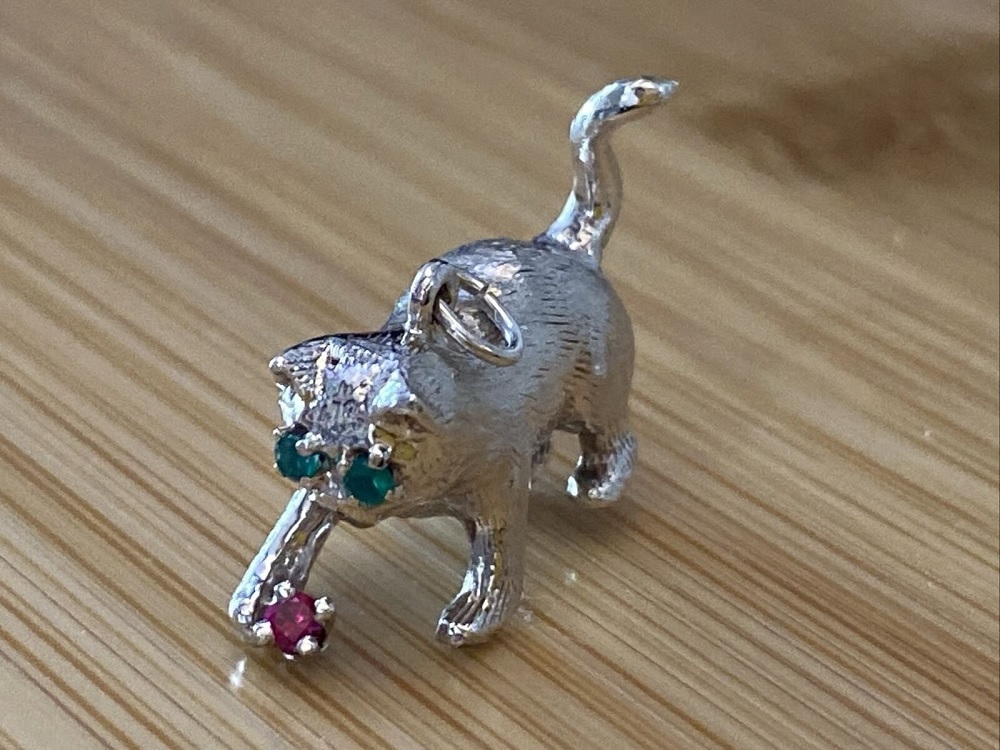
Whiskered Whimsy: The Enigmatic Elegance of the Domestic Cat
Introduction: The Quiet Majesty of Feline Companions
From ancient temples to modern living rooms, cats have prowled beside humanity as both mystery and muse. The domestic cat—Felis catus—is a creature of contradictions: aloof yet affectionate, playful yet poised. With a lineage stretching back thousands of years, cats have earned a reputation not only as cherished pets but also as symbols of grace, independence, and quiet intelligence. This article explores the multifaceted world of cats, from their evolutionary history to their place in contemporary culture, with a lens that honors their subtle majesty.
Origins: From Wild Hunter to Domestic Icon
The story of the cat begins in the arid deserts of the Near East. Genetic research suggests that today’s domestic cat descends from Felis lybica, the African wildcat. Unlike dogs, which were actively bred by humans for specific tasks, cats likely domesticated themselves. Drawn to early agricultural settlements by the abundance of rodents, these wild felines formed a symbiotic relationship with humans.
Over time, their tameness and tolerance of people improved, and they earned a permanent place in human society. Ancient Egyptians revered cats to such a degree that harming one was considered a crime. Temples were built in their honor, and when a household cat died, families would mourn in solemn ritual.
Physical Elegance: A Design of Precision and Grace
A cat’s physical form is an exquisite example of evolutionary refinement. Everything about their anatomy speaks to silent agility and predatory prowess.
-
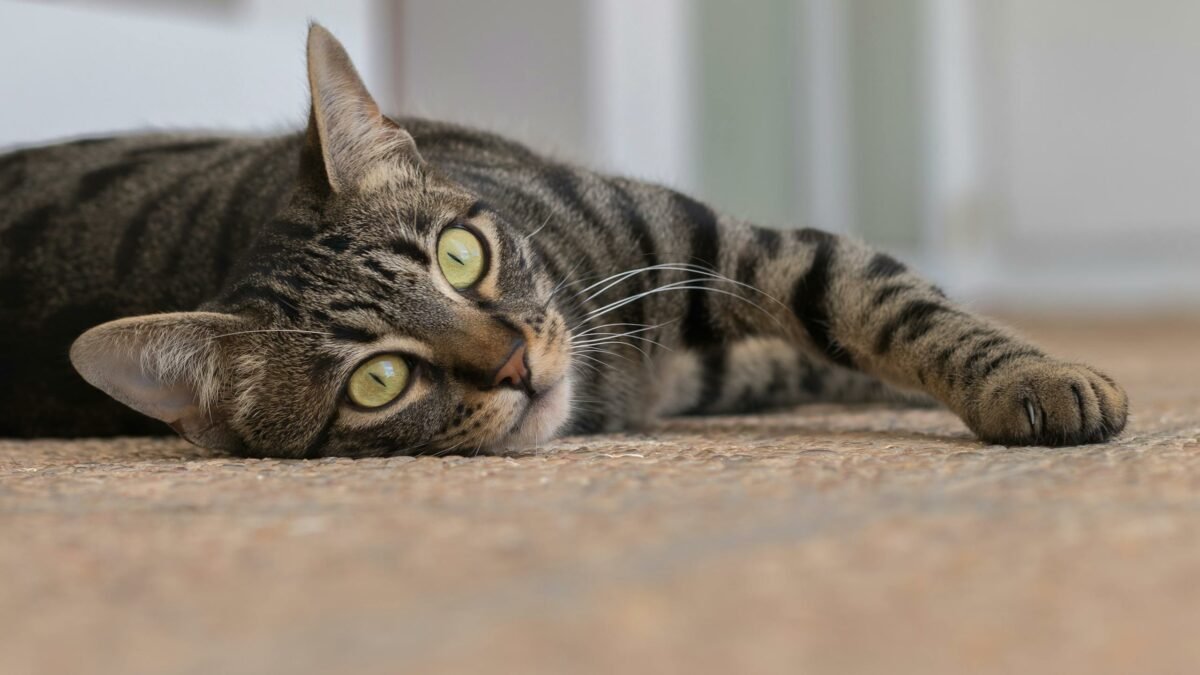
Eyes: Large and expressive, a cat’s eyes offer more than aesthetic charm. With vertically slit pupils that adjust rapidly to light, they can hunt in near-total darkness.
-
Whiskers: Far more than decorative, these sensitive hairs—called vibrissae—are finely tuned to detect changes in air current, helping cats navigate tight spaces and assess nearby objects.
-
Claws and Paws: Retractable claws keep their weapons sharp, while their padded paws allow for almost silent movement. This stealth is a legacy of their wild ancestry.
-
Tail: Used for balance and communication, the tail can indicate mood or provide poise when walking along narrow ledges.
Every movement is deliberate. When a cat stretches or leaps, there is a sense of art in motion—an elegance that has inspired painters, poets, and dancers alike.
The Feline Mind: Intelligence on Its Own Terms
Cats often suffer from the unfair stereotype of being less intelligent than dogs. The truth is more nuanced. Cats possess a different kind of intelligence—less about obedience and more about observation, adaptation, and autonomy.
They are adept at problem-solving and learning through mimicry. A cat that watches its owner open a cupboard may later attempt the feat itself. Their independence doesn’t denote detachment; rather, it reflects a different social structure from pack animals. Cats form bonds selectively and maintain their individuality, often recognizing up to 100 different human vocal tones and responding to their names—not always immediately, but often with a flick of the ear or tail as subtle acknowledgment.
Behavioral Nuances: Reading the Language of Cats
To understand a cat is to learn a new dialect of body language and subtle sounds. Though less vocally expressive than dogs, cats communicate a great deal—just not always in ways humans immediately understand.
Common Feline Signals:
-
Slow blink: A sign of trust and affection, often referred to as a “cat kiss.”
-
Kneading with paws: A behavior carried from kittenhood, signifying contentment.
-
Purring: Generally a sign of happiness, though cats also purr when in pain—possibly as a form of self-healing.
-
Tail posture: A high tail indicates confidence, while a flicking or puffed tail may suggest irritation or alarm.
Understanding these behaviors requires patience and attentiveness. Cats don’t demand affection; they invite it. And when they do, it feels like a privilege.
The Modern Cat: Role in the Contemporary World
Today’s cats come in a vast array of breeds, from the hairless Sphynx to the luxurious Maine Coon, each with distinct characteristics and temperaments. Yet whether purebred or mixed, indoor or outdoor, all cats retain a hint of the wild within them.
Their popularity has surged in recent decades. In many countries, cats now outnumber dogs as household pets. Their relatively low maintenance and independence suit the urban lifestyle, while their companionship brings warmth to any home. In the digital age, cats have become icons of internet culture—think of the ubiquitous memes, viral videos, and social media celebrities. Yet even as they amuse us online, real-life cats offer a more grounded kind of comfort: the soft weight of a curled-up companion on a quiet evening.
Caring for Cats: A Bond of Mutual Respect
Contrary to popular belief, cats do form deep attachments to their human families. They thrive in environments that respect their autonomy while offering affection and stimulation. Responsible cat ownership involves more than feeding and grooming.
Key Aspects of Feline Care:
-
Nutrition: High-protein diets that mirror their natural intake are crucial.
-
Play: Interactive toys and climbing spaces keep their minds and bodies active.
-
Health: Regular vet visits, vaccinations, and dental care ensure longevity.
-
Environment: Cats need safe spaces to retreat and observe—be it a sunny windowsill or a quiet corner.
Cats do not require constant attention, but they do require consideration. A well-cared-for cat offers loyalty, comfort, and quiet companionship.
Conclusion: The Quiet Triumph of the Cat
To share one’s life with a cat is to accept mystery, grace, and a kind of love that unfolds in silence. They are not loud about their affection, nor needy in their presence. But they watch, they listen, and they remember. In their poised serenity, cats teach us the value of quiet moments and the elegance of independence. They may never come when called, but when a cat chooses to curl beside you, you understand: you’ve been chosen, and there is no greater compliment.