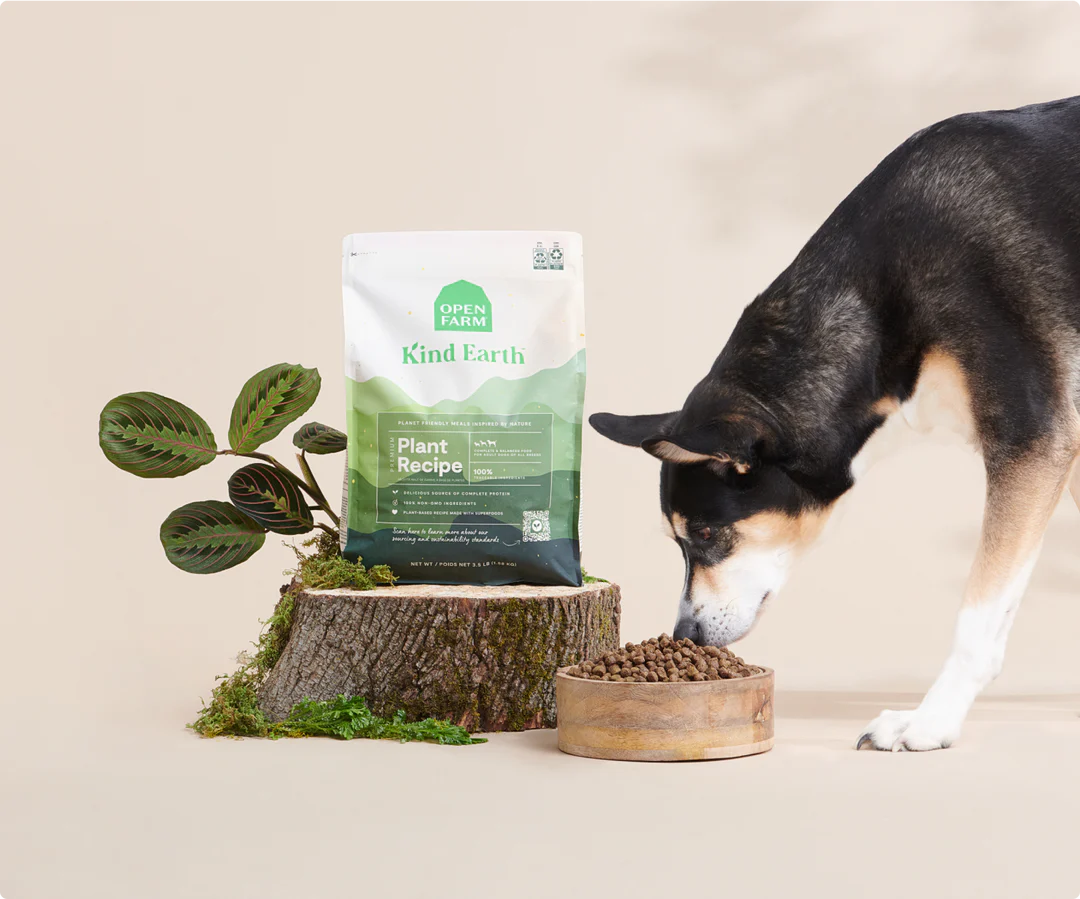
Introduction: More Than a Meal, a Measure of Care Feeding a pet is not simply a daily obligation—it is an act of nurturing, a silent language through which love, trust, and respect are conveyed. The choices we make about our pets’ diets have profound implications, not only on their health and longevity but also on their mood, behavior, and quality of life. In an era where pet ownership has evolved into genuine companionship, pet food deserves far more attention than it often receives. With shelves lined with enticing packaging and conflicting marketing messages, discerning pet owners must navigate the world of nutrition with both curiosity and care. This article explores the deeper dimensions of pet food: its history, nutritional philosophy, evolving trends, and what responsible pet parents should truly consider when choosing the contents of their animal companion’s bowl.
A Brief History: From Table Scraps to Tailored Nutrition Historically, pets—especially dogs and cats—survived on leftovers and raw scraps. In rural households, animals scavenged or were fed whatever was available. It wasn’t until the mid-19th century that the concept of commercially prepared pet food emerged. In 1860, an Englishman named James Spratt developed the first dog biscuit made of wheat meals, vegetables, beetroot, and beef blood. The industrial revolution and urbanization further transformed the way humans fed their animals, making way for convenience-driven formulas in cans and kibble bags.
Today, the pet food industry is a multi-billion-dollar enterprise, influenced by scientific advancement, ethical concerns, and even culinary artistry. Yet, with greater options comes greater responsibility—and the need for informed, critical decision-making.
Understanding Pet Nutrition: Beyond Fillers and Flavors Optimal pet health begins with proper nutrition. Like humans, animals require a well-balanced diet that caters to their specific species, breed, age, and health condition. However, unlike humans, pets are unable to choose their meals—thus, the responsibility lies entirely with their caregivers.
Fundamental Nutritional Components:
Proteins: Essential for tissue growth and repair. Cats, in particular, are obligate carnivores and need higher levels of animal-based proteins.
Fats: Provide energy, assist in nutrient absorption, and support healthy skin and coat. Omega-3 and Omega-6 fatty acids are particularly beneficial.
Carbohydrates: While not biologically essential for all pets, carbs can serve as a useful energy source and aid in digestive health when included thoughtfully.
Vitamins and Minerals: Necessary in balanced quantities to support bodily functions, immune response, and bone health.
Water: Often overlooked, hydration is crucial. Dry kibble diets, in particular, require access to abundant fresh water.
It is not enough for pet food to simply fill the stomach—it must nourish, sustain, and support the animal’s natural biology.
Choosing the Right Food: Factors That Matter Not all pet foods are created equal. The glossy packaging and buzzwords like “all-natural” or “grain-free” can be misleading without a solid understanding of what actually constitutes quality nutrition.
Key Considerations When Selecting Pet Food:
Read the ingredient list: Ingredients are listed in order of weight. Look for whole protein sources like “chicken” or “salmon” rather than vague terms like “meat by-product.”
Check for AAFCO approval: In the United States, the Association of American Feed Control Officials sets nutritional standards. Look for statements indicating the food is “complete and balanced.”
Avoid unnecessary additives: Artificial colors, preservatives (like BHA or BHT), and sweeteners offer no nutritional value and may even pose risks.
Consider your pet’s life stage: Puppies, adults, and seniors all have different nutritional requirements. Likewise, spayed or neutered animals may need calorie-controlled diets.
Quality pet food may come at a higher price, but investing in nutrition often reduces long-term veterinary costs and enhances your pet’s vitality and happiness.
Special Diets and Trends: The Rise of Conscious Feeding In recent years, pet owners have become more intentional in how they feed their animals, mirroring human dietary movements toward wellness and sustainability. This has led to a surge in alternative pet diets and niche products that cater to specific health, ethical, or environmental concerns.
Popular Trends in Pet Nutrition:
Grain-free formulas: Originally designed for pets with grain allergies, these diets substitute grains with legumes or potatoes. However, their benefits are debatable for healthy pets without sensitivities.
Raw food diets (BARF): Based on feeding pets biologically appropriate raw foods, this diet includes raw meats, bones, fruits, and vegetables. Advocates argue it mimics ancestral eating habits, though critics point to bacterial risks.
Vegetarian and vegan diets: Some owners opt for plant-based diets for ethical reasons. While it’s possible for dogs under veterinary guidance, such diets are generally unsuitable for cats.
Limited-ingredient diets: Ideal for pets with allergies or intolerances, these formulas minimize the number of ingredients to reduce the likelihood of adverse reactions.
Sustainable and insect-based proteins: Eco-conscious brands are exploring insect proteins and lab-grown meats as low-impact alternatives to traditional meat sources.
Whatever the trend, it is crucial to ensure that any diet—no matter how fashionable—is nutritionally complete and backed by veterinary science.
Homemade Pet Food: A Labor of Love, With Risks Some pet owners prefer to cook for their animals, motivated by transparency and control over ingredients. While homemade diets can be rewarding, they carry risks if not properly balanced. Nutritional deficiencies can develop quickly, particularly in growing puppies or aging pets.
Tips for Homemade Pet Meals:
Always consult a veterinary nutritionist
Use recipes that are formulated specifically for pets
Include necessary supplements to balance vitamins and minerals
Avoid ingredients toxic to pets, such as onions, garlic, raisins, and chocolate
Homemade meals should never be improvised or based solely on human nutrition standards.
Treats and Extras: Moderation Is Key Treats play a valuable role in training and bonding, but they should never replace complete meals. Overfeeding treats—especially those high in fat, sugar, or artificial flavors—can lead to obesity and dental issues.
Smart Treat Choices:
Single-ingredient treats like freeze-dried liver or dehydrated chicken
Dental chews that support oral hygiene
Homemade biscuits using vet-approved recipes
Small portions of fruits or vegetables (carrots, blueberries, or green beans)
As a rule, treats should account for no more than 10% of a pet’s daily caloric intake.
Conclusion: Feeding with Intention, Loving with Awareness Feeding a pet is a daily act, yet its impact is lifelong. Every scoop of kibble, every portion of wet food, every hand-fed treat is part of a deeper relationship—one built on care, attentiveness, and responsibility. Pet food is more than sustenance; it is a gesture of love, a symbol of our commitment to their health and happiness.
By educating ourselves, questioning labels, and choosing mindfully, we honor the lives entrusted to us. In doing so, we move beyond routine feeding into the art of nourishing—body, spirit, and bond alike.