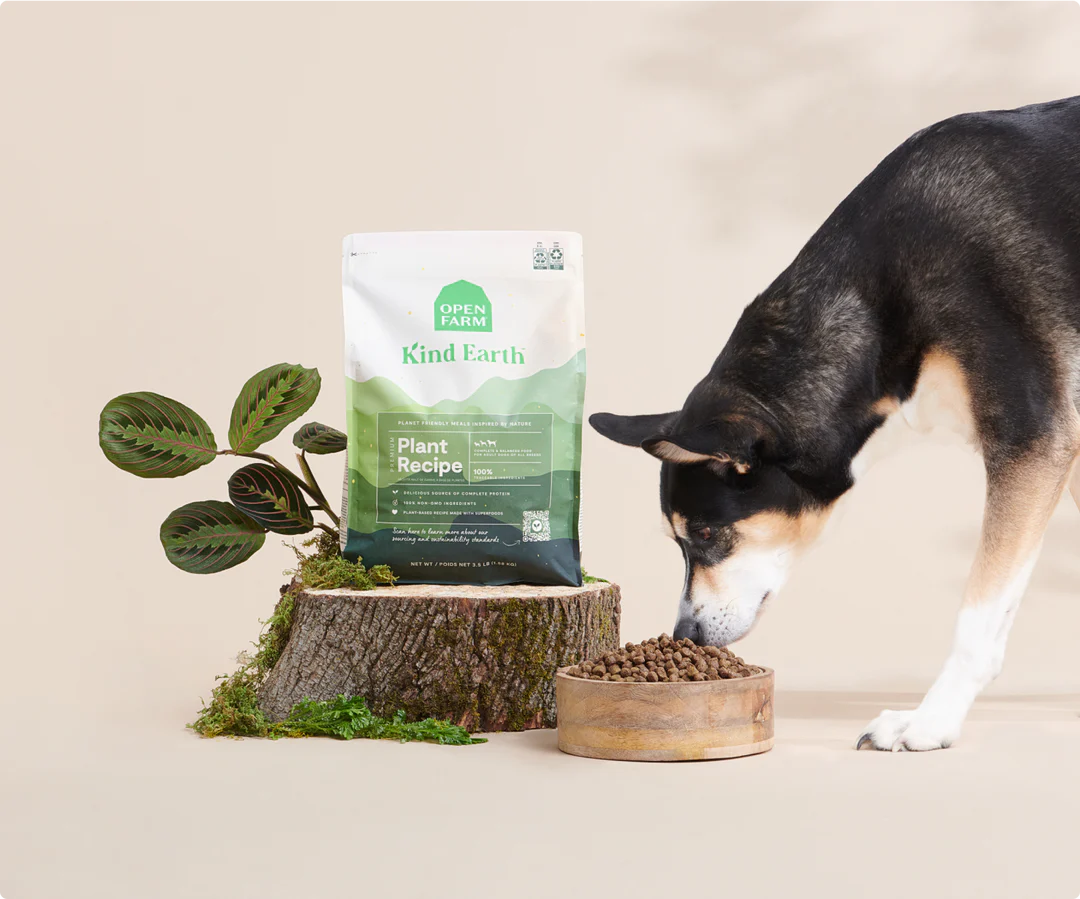
Nourishing Companions: A Thoughtful Guide to the World of Pet Food

Introduction: Feeding with Purpose
Feeding a pet is one of the most fundamental and frequent interactions we share with our animal companions. Yet, it is also one of the most critical aspects of their overall well-being. Pet food is not merely about filling a bowl—it’s about nourishing life, fostering vitality, and showing care through consistency and informed choices. From a kitten’s first meal to a senior dog’s special diet, nutrition plays a pivotal role in ensuring a pet’s happiness and longevity. In today’s ever-expanding pet food market, understanding what goes into that daily meal is essential for every responsible pet owner.
Understanding the Nutritional Needs of Pets
Just as humans have unique dietary requirements based on age, lifestyle, and health, so too do pets. Dogs, cats, rabbits, birds, and other companion animals require specifically tailored nutrients to thrive.
-
Dogs are omnivores and benefit from a balance of proteins, fats, carbohydrates, vitamins, and minerals
-
Cats, being obligate carnivores, require high protein content and nutrients such as taurine, which is essential for heart and eye health
-
Birds need a varied diet rich in seeds, fruits, vegetables, and formulated pellets to prevent nutritional deficiencies
-
Small mammals like guinea pigs and rabbits require high-fiber diets primarily from hay and leafy greens, with limited pellets and fruits
Failing to meet these species-specific needs can lead to chronic conditions, behavioral issues, and a reduced quality of life.
Types of Pet Food: Decoding the Choices
The pet food aisle can feel overwhelming, with shelves lined with a dizzying variety of products. While diversity offers flexibility, it also demands discernment.
-
Dry food (kibble): Convenient, cost-effective, and shelf-stable, dry food is a staple in many households. Look for formulas with whole protein sources as the first ingredient and minimal fillers.
-
Wet food (canned): Often more palatable and higher in moisture, wet food is ideal for picky eaters or pets with hydration concerns. However, it requires proper storage once opened and tends to be more expensive.
-
Raw diets: Increasingly popular, raw feeding aims to mimic the ancestral diet of pets. While advocates highlight benefits like improved coat and energy, raw diets must be carefully balanced to avoid nutritional imbalances or bacterial risks.
-
Freeze-dried and dehydrated: Offering the benefits of raw with improved shelf stability, these options can be rehydrated before serving. They are nutrient-dense but come at a premium price.
-
Homemade meals: Tailoring meals at home allows full control over ingredients but must be approached with caution. Without guidance from a veterinary nutritionist, homemade diets can inadvertently lack essential nutrients.
Every type has its advantages and drawbacks. The key lies in choosing a format that suits your pet’s specific needs, preferences, and any medical conditions they may have.
Label Literacy: What to Look For
Reading pet food labels is both an art and a science. Marketing buzzwords often mask the true nutritional value of a product.
-
Ingredients list: Look for named protein sources like “chicken” or “salmon” rather than vague terms like “meat meal.” The first few ingredients are the most abundant and tell you a lot about the quality.
-
Guaranteed analysis: This section breaks down percentages of protein, fat, fiber, and moisture. Use it to compare foods and ensure it aligns with your pet’s dietary needs.
-
Nutritional adequacy statement: Phrases such as “complete and balanced” for a particular life stage indicate that the food meets guidelines set by regulatory bodies like AAFCO.
-
Avoid unnecessary additives: Artificial colors, flavors, and chemical preservatives add no nutritional value and may pose long-term health risks.
A discerning eye can help you cut through the noise and focus on foods that genuinely support your pet’s health.
Special Diets for Special Needs
Some pets require more than the average meal. Just as humans adjust their diets due to allergies or health concerns, pets too can benefit from targeted nutrition.
-
Weight management: Obesity is a common problem among domestic animals. Low-calorie, high-fiber foods can help with gradual and healthy weight loss.
-
Allergies and sensitivities: Pets with food allergies may need limited-ingredient diets or hypoallergenic formulas to eliminate triggers.
-
Senior pets: Aging animals may require fewer calories, more joint support (such as glucosamine), and highly digestible proteins.
-
Prescription diets: Available through veterinarians, these are formulated for conditions like kidney disease, urinary tract issues, or diabetes.
Choosing the right special diet should always be guided by veterinary input to ensure safety and effectiveness.
Feeding Practices and Common Mistakes
Even the best pet food can fail to deliver its benefits if not served properly. Feeding routines and portion control are just as important as food quality.
-
Portion control: Overfeeding is a silent issue. Use measuring cups or a kitchen scale to serve the correct amount based on the feeding guidelines and your vet’s advice.
-
Avoiding table scraps: Human food is often too rich or toxic for pets. Onions, chocolate, grapes, and xylitol are common ingredients that can be fatal.
-
Regular feeding times: Establishing a consistent schedule helps regulate digestion, mood, and behavior.
-
Fresh water: Clean, accessible water should always be available to accompany any meal, especially with dry food diets.
Mindful feeding supports not only physical health but also behavioral stability and emotional comfort.
The Evolving Pet Food Industry: Trends and Innovations
As our understanding of animal health deepens, the pet food industry continues to evolve. Today’s market is shaped by science, sustainability, and a growing awareness of animal welfare.
-
Functional foods: Formulas enriched with probiotics, omega-3s, or antioxidants target specific health benefits like immunity or skin health.
-
Sustainable protein sources: Insects and plant-based proteins are being explored as eco-friendly alternatives to traditional meats.
-
Customized diets: Subscription-based pet food services offer tailored meals based on an individual pet’s profile.
-
Human-grade food: Some brands now prepare pet food in facilities that meet the same safety standards as human food processing.
These innovations reflect a broader cultural shift toward treating pets as family members deserving of the highest care and nutritional integrity.
Conclusion: A Reflection of Love in Every Bowl
Feeding a pet is one of the purest forms of daily love. It is a ritual that says, “I see you, I care for you, I want you to thrive.” In selecting their food, we are not simply checking off a task—we are investing in their health, their happiness, and the precious time we get to share with them.
By choosing thoughtfully, feeding responsibly, and staying informed, we honor the silent pact that begins the moment a pet enters our life: to nourish not just their bodies, but their trust, their spirit, and the irreplaceable bond we hold with them.