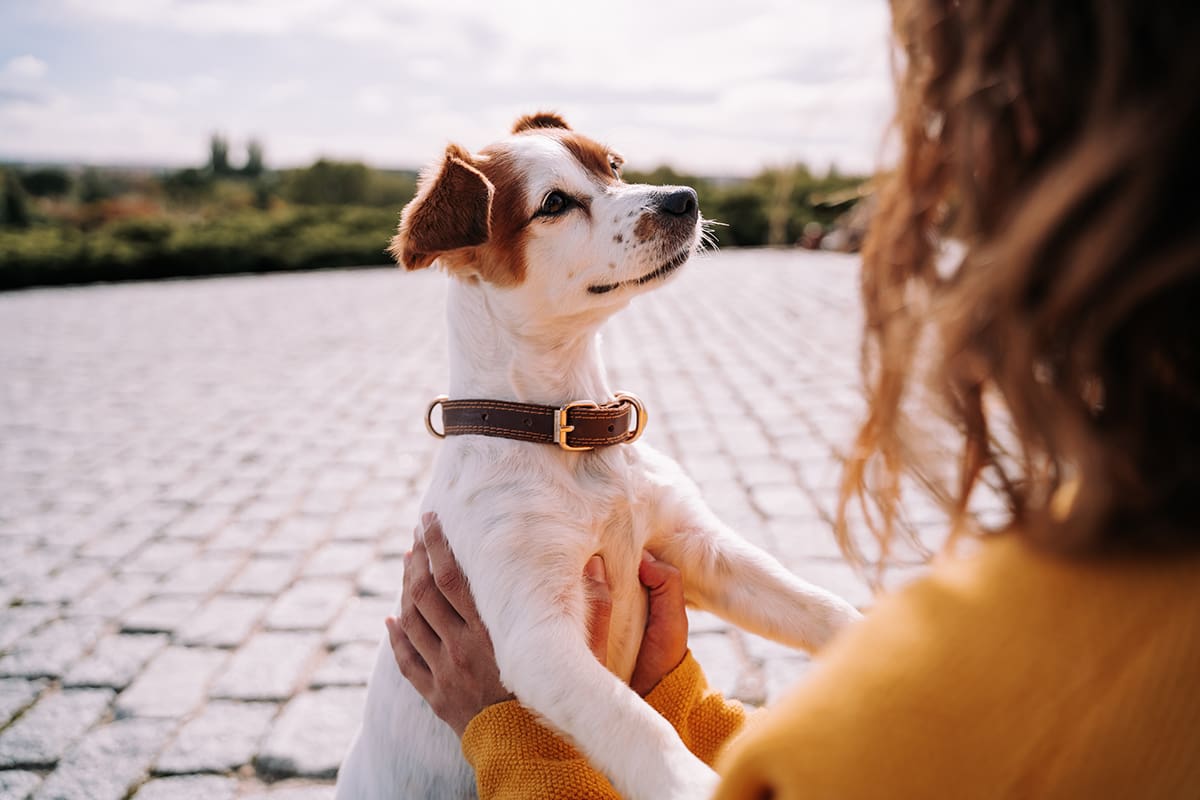
Loyal Hearts and Wagging Tails: The Enduring Bond Between Humans and Dogs
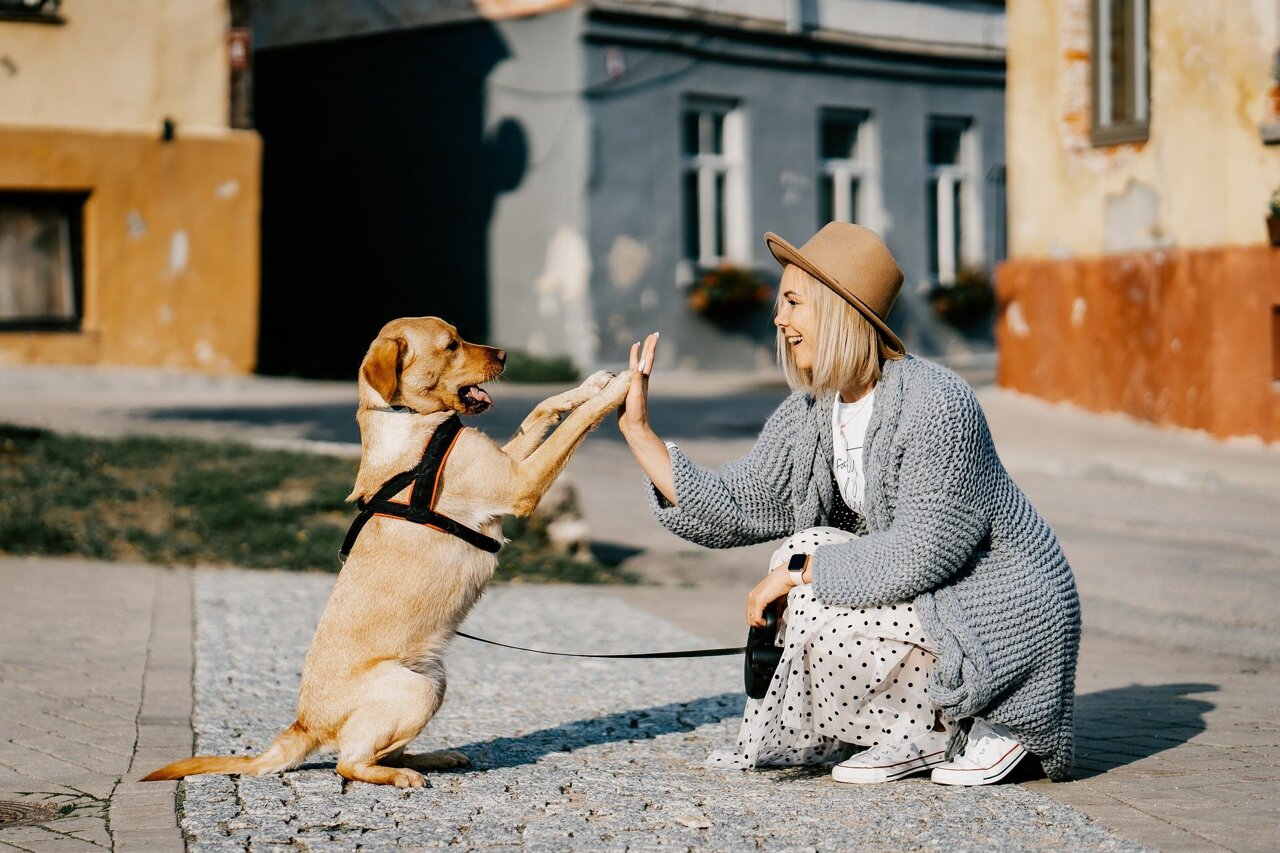
Introduction: Man’s Best Friend for a Reason
Few relationships in the animal kingdom rival the depth, loyalty, and emotional richness of the one shared between humans and dogs. For thousands of years, dogs have been companions, protectors, hunters, workers, and friends. They walk beside us not only on city streets and country trails but also through life’s most profound moments of joy, grief, and transformation. The story of the dog is not just one of evolution or domestication—it is a story of love, trust, and mutual understanding.
A History Rooted in Partnership
The domestication of dogs is believed to have occurred more than 15,000 years ago, when early humans formed partnerships with wolves. These wolves, the ancestors of modern dogs, were drawn to human settlements in search of food. Over generations, a bond formed—humans provided sustenance and protection, while dogs offered companionship and aid in hunting.
-
From hunter to herder: Early dogs helped track prey and guard livestock.
-
Guardians and guides: Over time, dogs evolved into guardians of homes, protectors of families, and even guides for the blind.
-
Modern roles: Today, dogs serve in military units, assist law enforcement, detect diseases, and provide emotional support.
The relationship has deepened with each generation, solidifying the dog’s place not merely in households, but in hearts.
The Diversity of the Canine World
The dog world is a tapestry of variety. With over 340 recognized breeds, dogs come in a dazzling range of shapes, sizes, colors, and temperaments. This diversity is a testament to the unique ways humans have bred dogs to fulfill specific roles across cultures and climates.
-
Working breeds: Such as German Shepherds and Border Collies, known for intelligence and discipline.
-
Toy breeds: Like Pomeranians and Chihuahuas, bred for companionship and ideal for smaller living spaces.
-
Sporting and hunting breeds: Retrievers and pointers, agile and energetic, bred for fieldwork.
-
Non-sporting and companion breeds: Including the French Bulldog and Shih Tzu, perfect for urban lifestyles and affectionate households.
Each breed carries its own set of traits, but all dogs, regardless of lineage, are united by a natural inclination toward companionship and loyalty.
The Emotional Intelligence of Dogs
Dogs are remarkably intuitive animals, often sensing human emotions with surprising accuracy. Scientific studies have shown that dogs can interpret facial expressions, respond to emotional cues, and even mirror their owners’ moods.
-
Empathy and awareness: Dogs often comfort their humans during stress or sadness, offering silent companionship that feels deeply personal.
-
Communication skills: Through barks, whines, body language, and even eye contact, dogs communicate a wide range of needs and emotions.
-
Training potential: Their ability to learn commands and perform tasks is not simply mechanical—it stems from a desire to connect, to please, and to belong.
This emotional intelligence elevates dogs beyond the role of pet and into that of true emotional allies.
Dogs and Human Health: A Healing Connection
Owning a dog offers profound physical and mental health benefits. Numerous studies have revealed that living with a dog can lead to a healthier, happier life.
-
Physical wellness: Dog owners tend to be more active, thanks to regular walks and playtime. This contributes to cardiovascular health, weight management, and improved immunity.
-
Mental clarity: The presence of a dog can reduce stress hormones, promote the release of dopamine and oxytocin, and provide comfort during anxiety or depression.
-
Therapeutic roles: Therapy and service dogs are invaluable to individuals with PTSD, autism, or mobility challenges. Their support goes beyond obedience—it taps into deep, instinctive caregiving.
Dogs, it seems, are healers of both body and soul.
Training, Responsibility, and Mutual Respect
While dogs offer boundless love, owning one comes with significant responsibility. Proper training, regular exercise, and consistent care are vital to maintaining a healthy and harmonious relationship.
-
Obedience training: Encourages discipline and strengthens communication between owner and dog.
-
Routine care: Includes grooming, vaccinations, dental health, and a nutritious diet.
-
Socialization: Introducing dogs to various environments, people, and other animals prevents fear and aggression.
A well-cared-for dog thrives emotionally and physically. When humans invest in their dogs, the return is immeasurable.
Challenges of Modern Dog Ownership
Despite the many joys, dog ownership today presents unique challenges. Urban living, busy lifestyles, and limited spaces can make it difficult to provide the attention dogs deserve.
-
Separation anxiety: Dogs are social animals and may suffer emotionally when left alone for extended periods.
-
Overbreeding and unethical practices: Puppy mills and poor breeding standards lead to genetic disorders and behavioral issues.
-
Abandonment: Shelters remain crowded with dogs who have been surrendered due to a lack of preparedness or shifting priorities.
Being a dog owner demands not just affection but foresight, commitment, and a long-term vision of care.
The Unbreakable Bond
Perhaps the most moving aspect of the human-dog relationship is its sheer emotional depth. Dogs love unconditionally. They don’t care about wealth, appearance, or social status. They live in the moment and teach us to do the same.
They sit beside us during quiet nights, greet us with joy after long days, and sometimes, silently understand things even words cannot express. They ask little but give everything.
Conclusion: The Gift of a Dog’s Love
To share one’s life with a dog is to enter into a silent pact—a promise of mutual trust, enduring loyalty, and unconditional love. Dogs teach us to be present, to forgive quickly, to express joy without hesitation, and to love without restraint.
Their lives may be shorter than ours, but they fill those years with unwavering devotion and vibrant presence. In many ways, they are reminders of what it means to be truly human.
So when a dog places its head in your lap or waits patiently by the door, know that you are in the presence of something rare, precious, and deeply meaningful. The love of a dog is a gift—one that asks only for love in return