In the Company of Creatures: A Thoughtful Exploration of the Animal Kingdom
Introduction: More Than Just Lifeforms
Animals have captivated human beings for millennia, not only as companions and workers, but as symbols of beauty, resilience, and instinctive wisdom. They are not simply organisms that coexist with us—they are co-authors in the great narrative of life. Whether wild or domestic, predator or prey, animals carry an essence that reveals the complexity and elegance of nature. In their movements, behaviors, and relationships, they reflect both the simplicity and intricacy of life itself.
The Richness of Animal Diversity
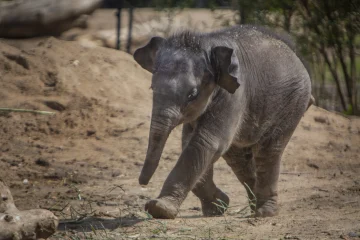
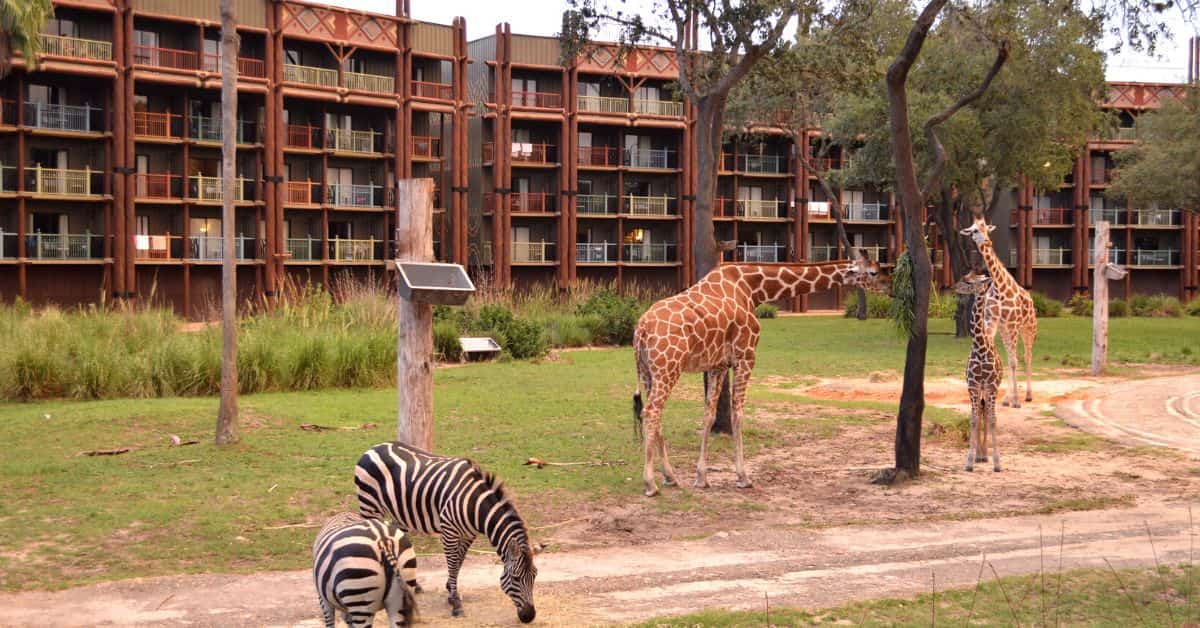
The animal kingdom, formally known as Animalia, encompasses a staggering variety of life forms, from microscopic zooplankton drifting through oceans to enormous land mammals like elephants and giraffes. Across this wide spectrum exists an intricate web of evolution and adaptation that has shaped life on Earth.
-
Vertebrates: Animals with backbones, including mammals, birds, reptiles, amphibians, and fish. These species are often more visible to us and tend to occupy dominant ecological roles.
-
Invertebrates: Creatures without backbones, such as insects, arachnids, mollusks, and crustaceans. They account for more than 95% of all known animal species and play critical roles in pollination, decomposition, and food chains.
-
Aquatic vs. Terrestrial: While some animals, like dolphins and octopuses, have evolved to thrive in marine environments, others have adapted brilliantly to deserts, mountains, forests, or grasslands.
This diversity is not merely fascinating—it is foundational. Every species, no matter how inconspicuous, serves a purpose within the larger system.
Animals as Ecosystem Architects
Animals are far from passive inhabitants of Earth. They are active participants in ecological dynamics, shaping the world around them in profound ways.
-
Pollinators, such as bees, butterflies, and bats, ensure the reproduction of flowering plants and are directly responsible for the crops that feed billions.
-
Seed dispersers like birds, monkeys, and ants carry plant life across ecosystems, contributing to forest regeneration and biodiversity.
-
Predators maintain population control, ensuring that prey species do not overpopulate and cause ecosystem imbalance.
-
Decomposers and scavengers, such as earthworms and vultures, recycle nutrients and clean the environment, keeping ecosystems functioning and healthy.
Each role is vital. When one species is lost, the ripple effect can be vast, sometimes irreversible.
A Longstanding Human-Animal Relationship
Since prehistoric times, humans have shared an intimate relationship with animals. Initially based on survival—hunting, herding, and domestication—this connection evolved into one of emotional, symbolic, and even spiritual importance.
-
Domestication: Dogs, thought to be the first domesticated animals, became hunting partners and guardians. Later, animals like sheep, cattle, and horses served agricultural and transportation purposes.
-
Mythology and Culture: From the sacred cow in Hindu traditions to the cunning fox in Western fables, animals occupy deep mythological and literary spaces in human culture.
-
Modern Companionship: Today, pets are cherished members of families, offering emotional support, reducing stress, and enhancing quality of life.
This multifaceted relationship underscores the human tendency not just to live with animals, but to live through them—finding lessons, reflections, and even moral guidance in their behavior.
Threats Facing the Animal Kingdom
Despite their central role in our world, animals face a mounting set of existential threats. Many of these are rooted in human actions, directly or indirectly undermining the delicate balance of the natural world.
-
Habitat Destruction: As forests are cleared for agriculture and urban development, countless species lose their homes, leading to displacement and extinction.
-
Climate Change: Rising temperatures, shifting weather patterns, and melting ice caps disrupt migration, reproduction, and feeding behaviors in many species.
-
Pollution: From plastic-filled oceans harming marine life to air and noise pollution disorienting birds and insects, human waste is choking the animal world.
-
Illegal Trade and Poaching: The demand for exotic pets, ivory, skins, and medicinal animal parts continues to drive illegal trafficking, threatening numerous species, including tigers, pangolins, and rhinos.
According to conservationists, we are currently witnessing the sixth mass extinction—a rapid loss of biodiversity caused not by natural disaster, but by human neglect.
The Importance of Animal Conservation
Recognizing the threats animals face is the first step; taking action is the next. Conservation efforts are essential not just for animal welfare but for the stability of life on Earth.
-
Protected Areas: National parks, marine reserves, and wildlife corridors help preserve natural habitats and allow animal populations to recover.
-
Rehabilitation and Breeding Programs: Many zoos and sanctuaries are focused on restoring populations of endangered species, such as pandas and condors.
-
Legislation: Laws like the Endangered Species Act and international agreements like CITES aim to protect animals from exploitation and trade.
-
Community Engagement: Educating local populations and involving them in conservation efforts can create sustainable models of coexistence.
Conservation is not a one-time effort—it is an ongoing, collective responsibility that calls for awareness, empathy, and resolve.
Ethics and the Future of Animal-Human Relations
At the core of our interaction with animals lies an ethical question: What do we owe to the other living beings who share our planet? This is not a matter of sentimentality, but of moral and environmental philosophy. Treating animals with respect is a reflection of the values we wish to uphold as a species.
-
Should animals be used in cosmetic testing or entertainment?
-
Do wild animals have the right to roam free from human interference?
-
How can we balance our needs with theirs in a rapidly urbanizing world?
These are questions with no simple answers. However, the act of asking them is itself a mark of progress—a sign that humanity is slowly awakening to its broader responsibilities.
Conclusion: A Shared Destiny
Animals are not ornaments in the theater of life; they are vital co-stars. Their presence reminds us of what it means to be alive—alert, instinctive, and connected. As sentient beings, many of them feel joy, pain, fear, and affection. To honor that truth is to recognize the shared destiny that binds all life together.
Whether we watch a murmuration of starlings twist through the sky, or observe the quiet dignity of a turtle crossing a road, we are reminded of a deeper connection—a reverence for life in all its forms. In preserving animals, we preserve something of ourselves: our compassion, our humility, and our place within the living world.